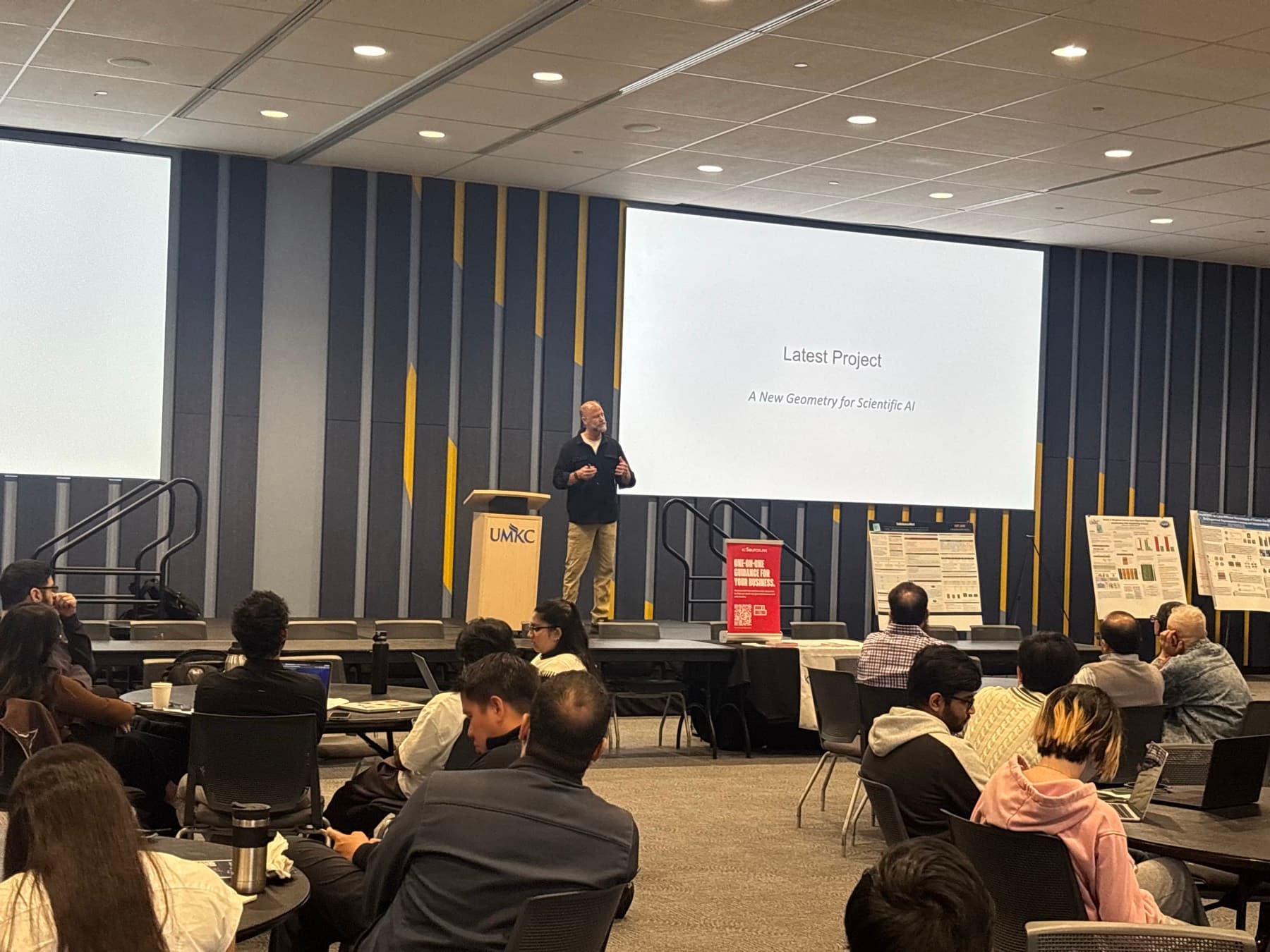
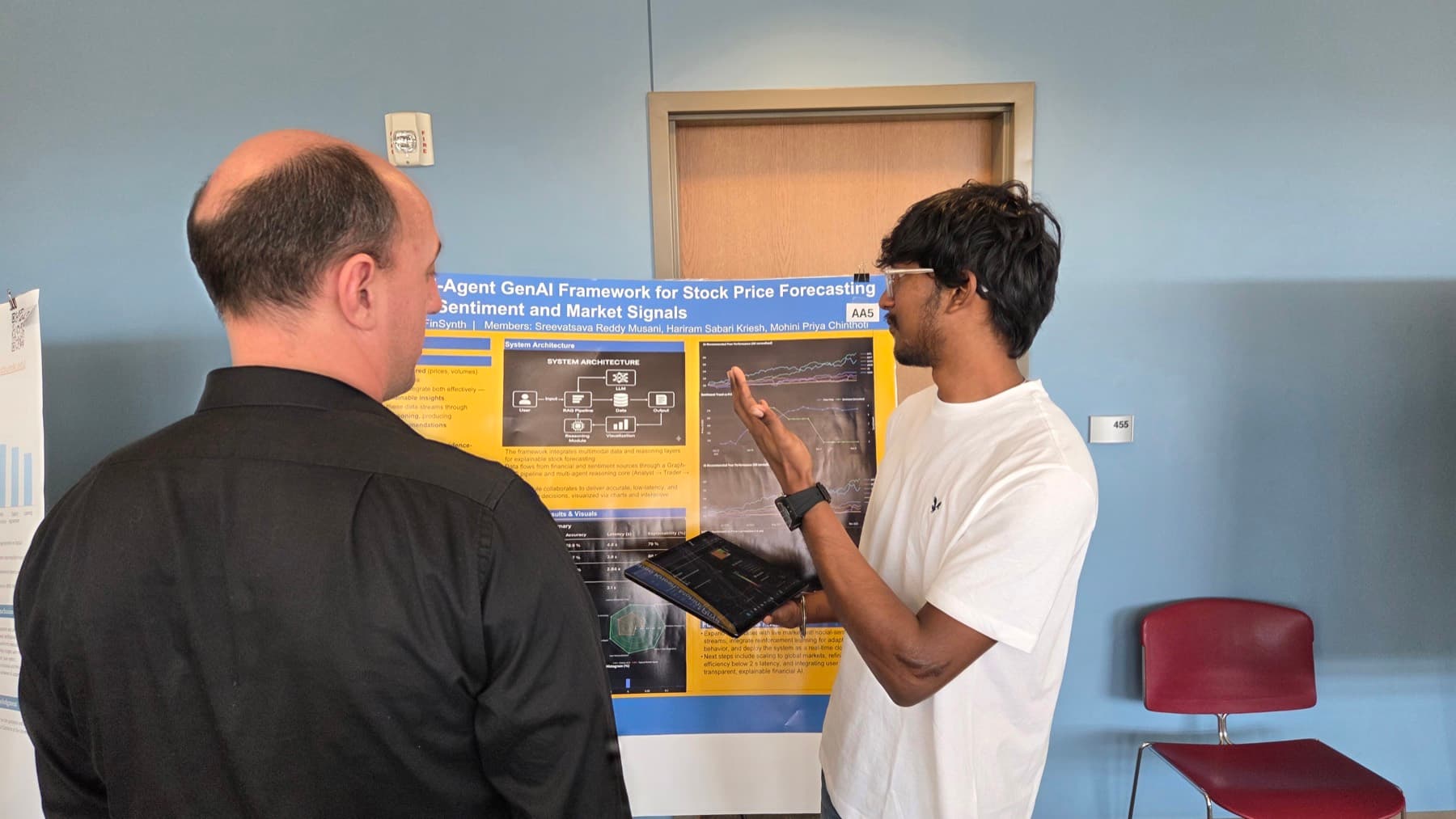
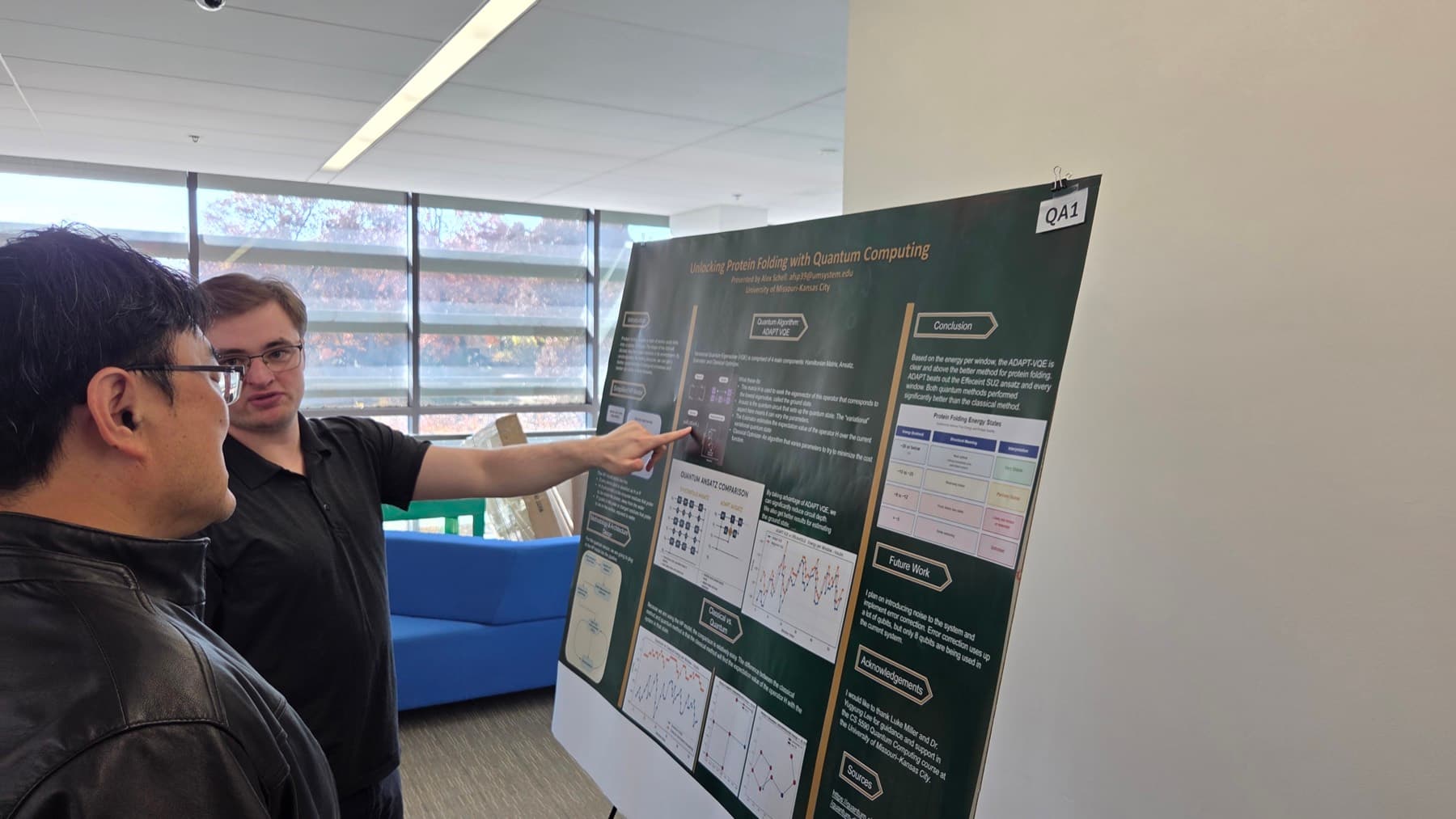
A recurring university innovation and research platform where students, faculty, and industry connect through research, prototypes, technical communication, and interdisciplinary problem solving.
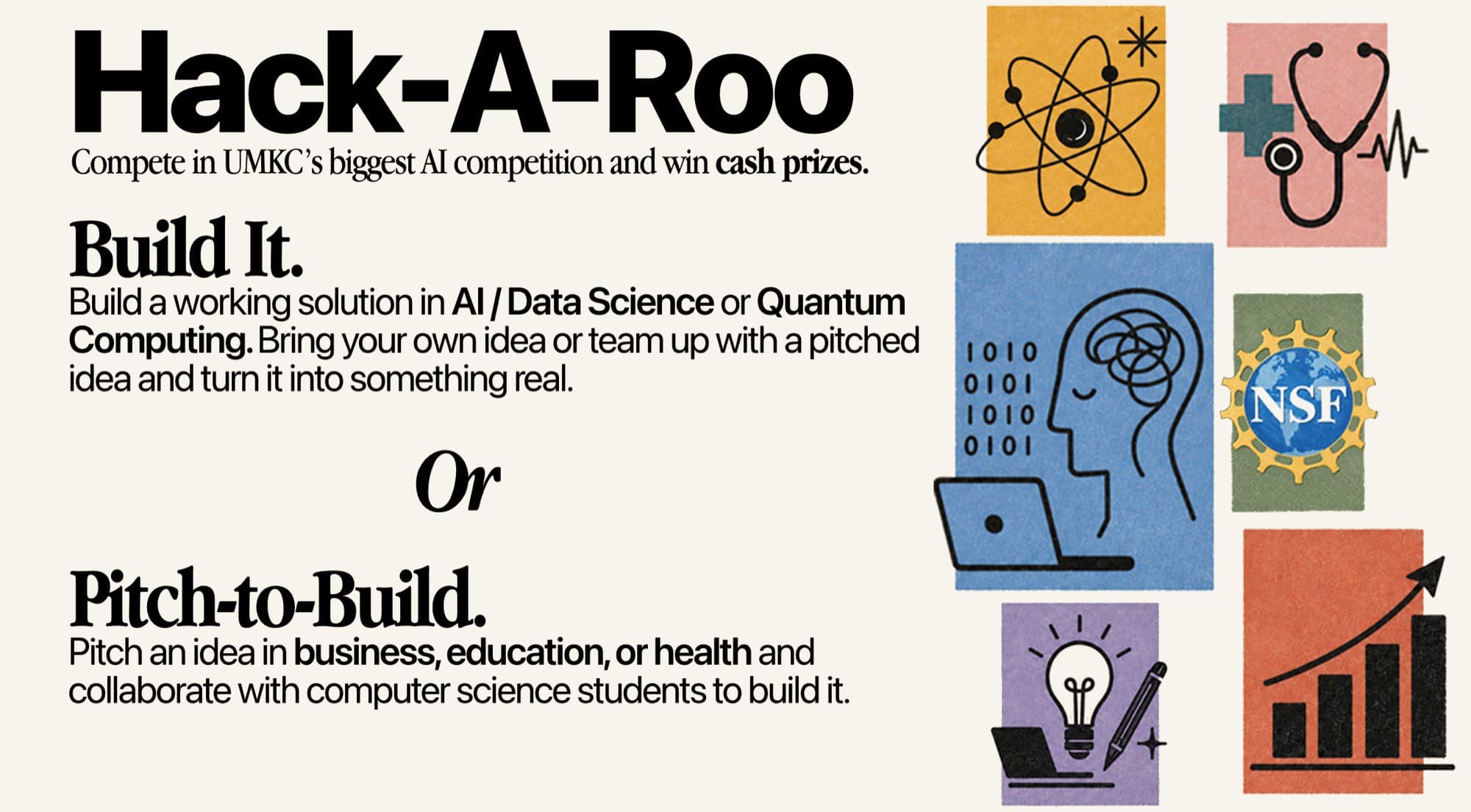
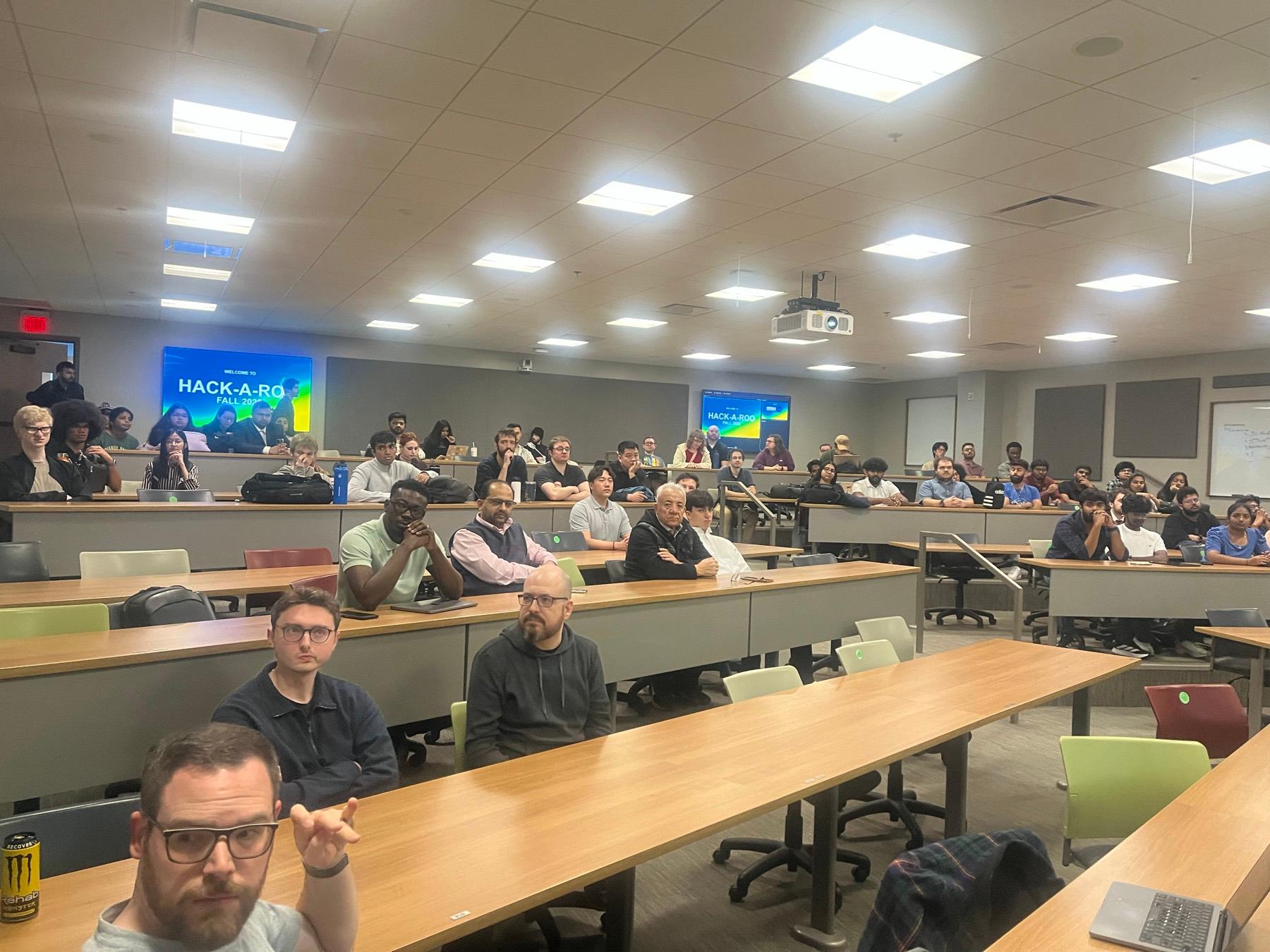
Hack-A-Roo
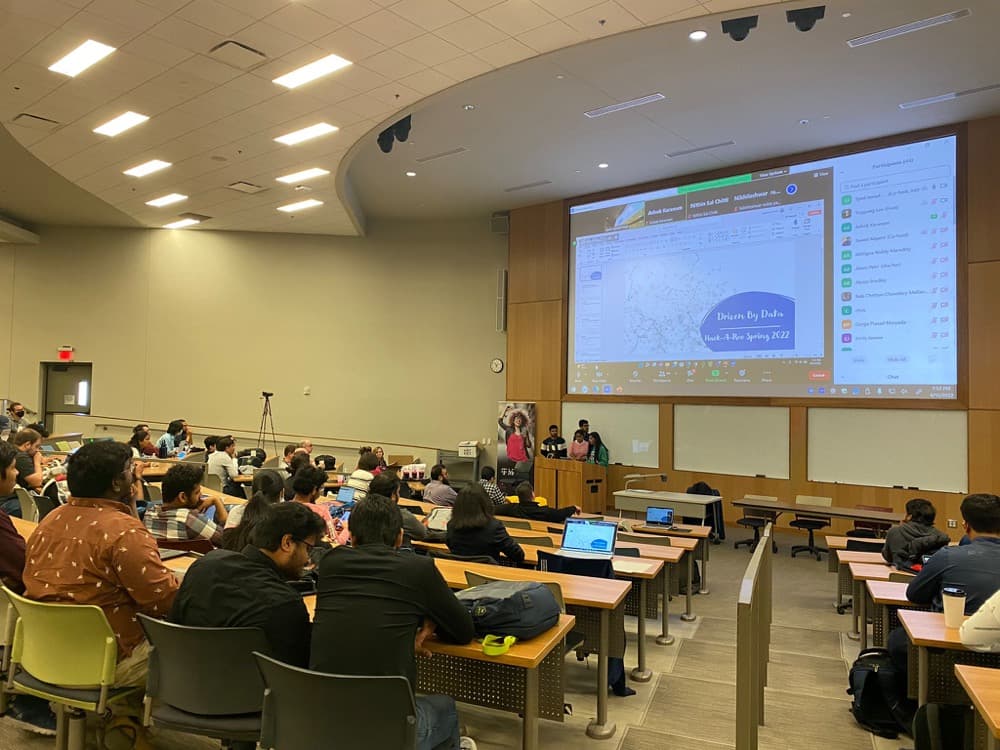
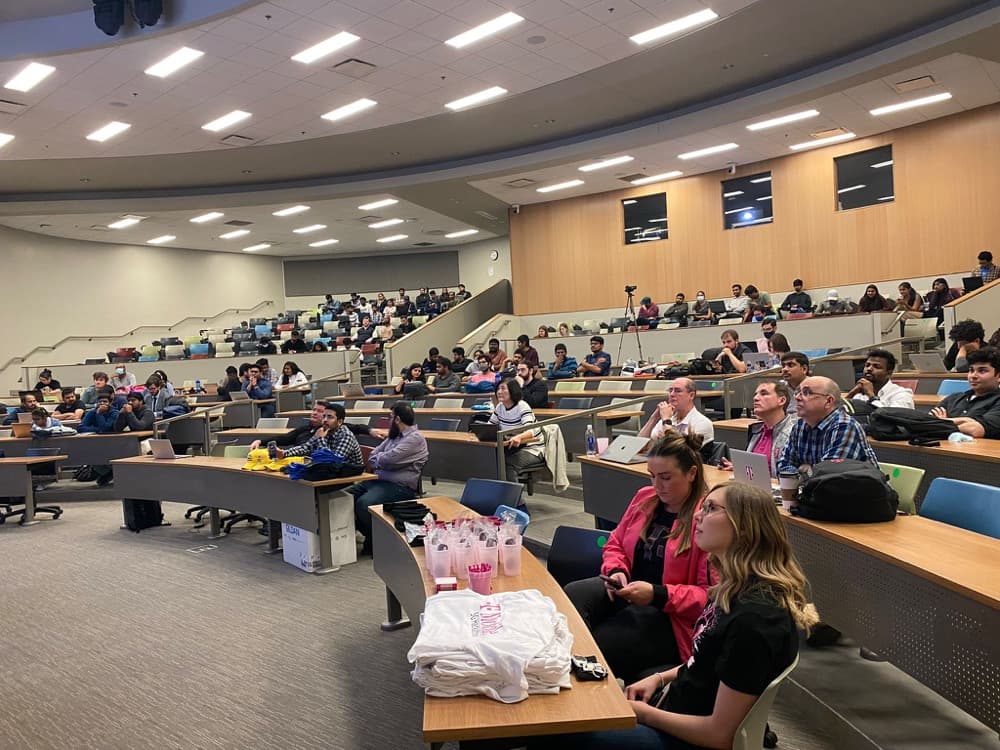
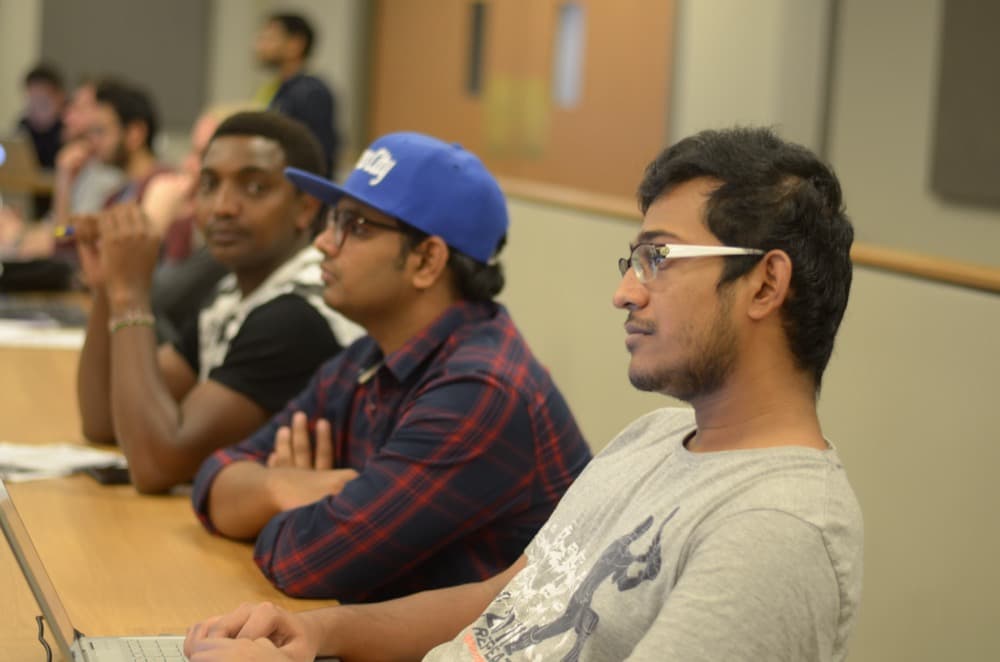
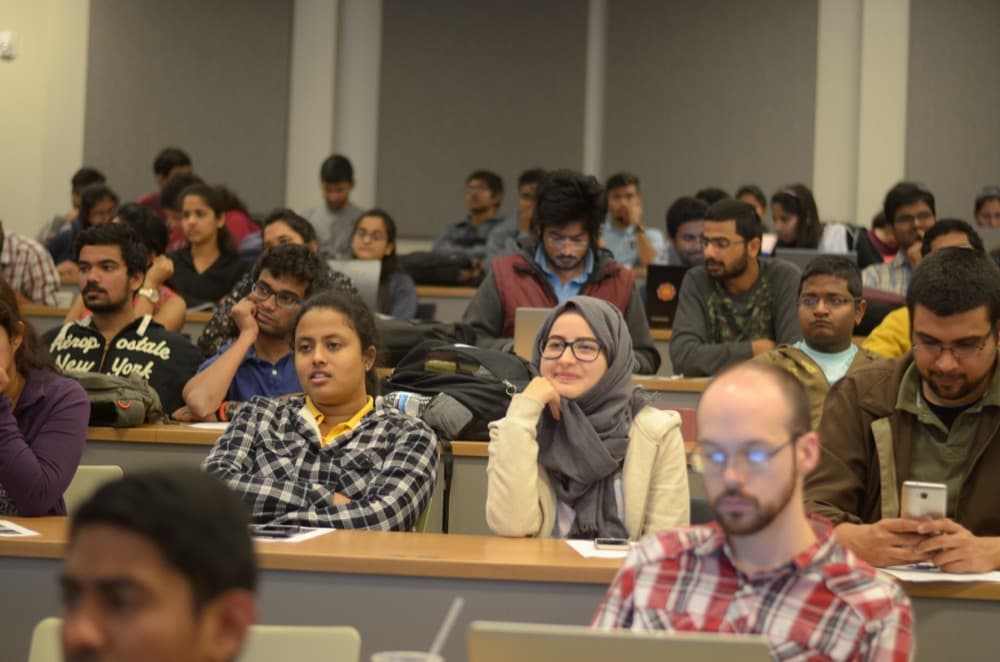
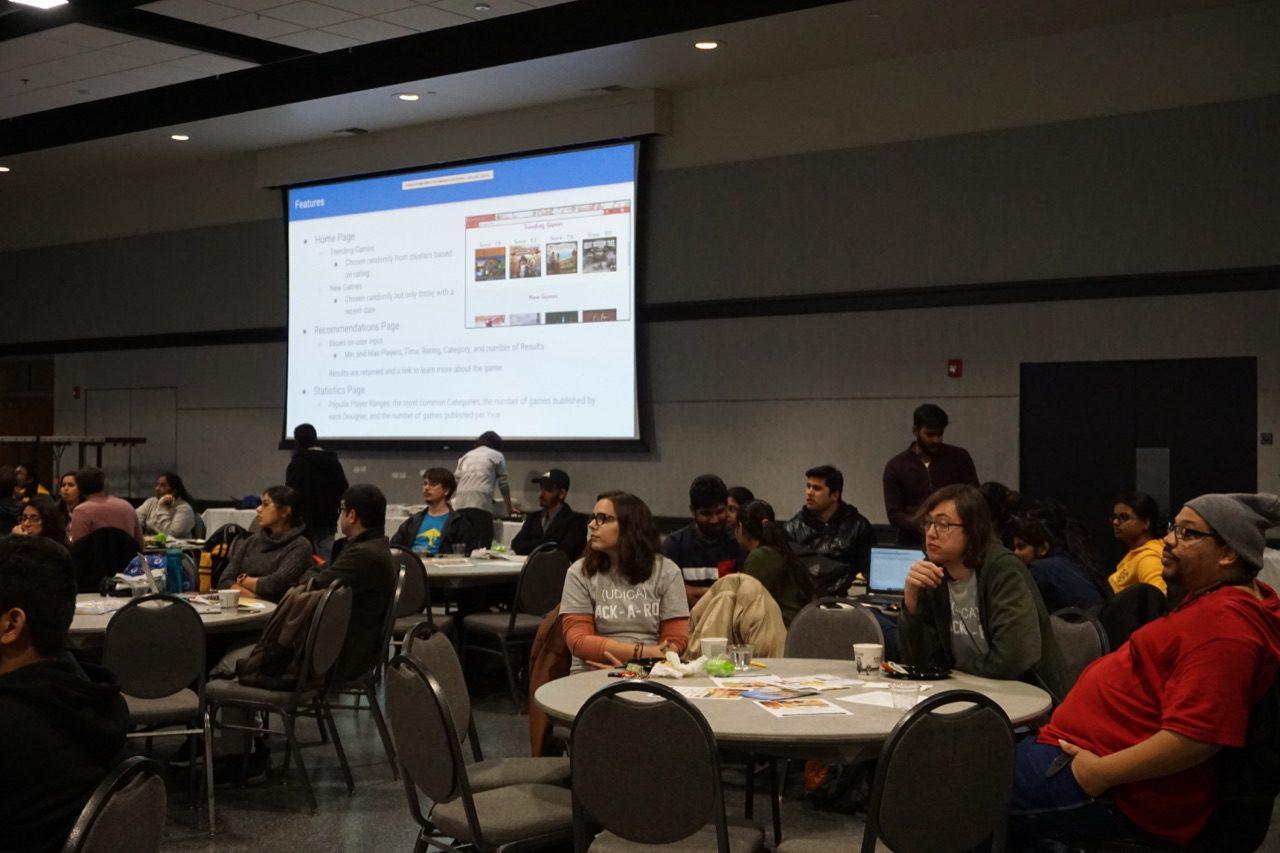
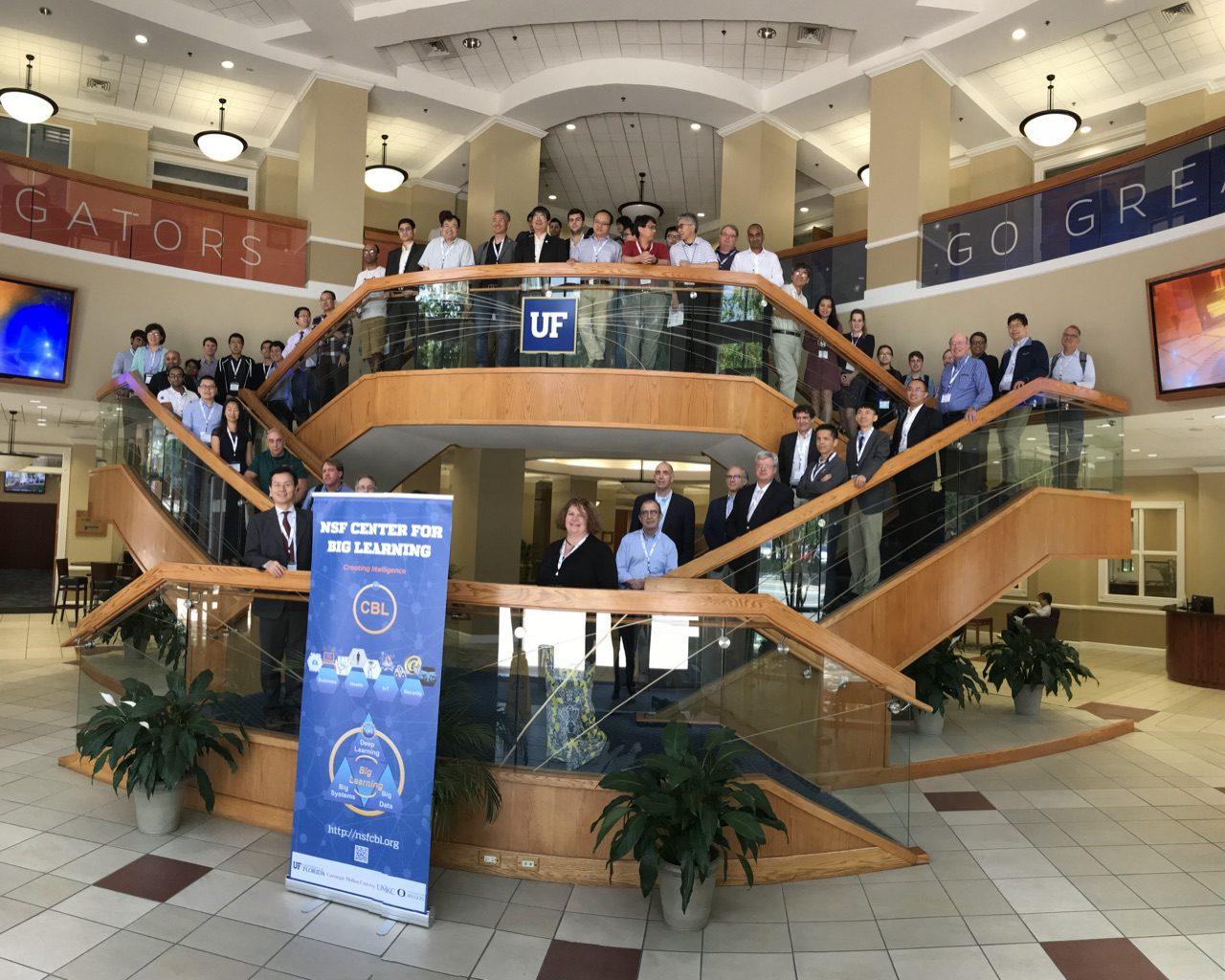
A fast-moving build event where students turn ideas into working prototypes and live demonstrations, from LLMs and AI agents to Quantum AI and NSF NRT sponsored tracks.
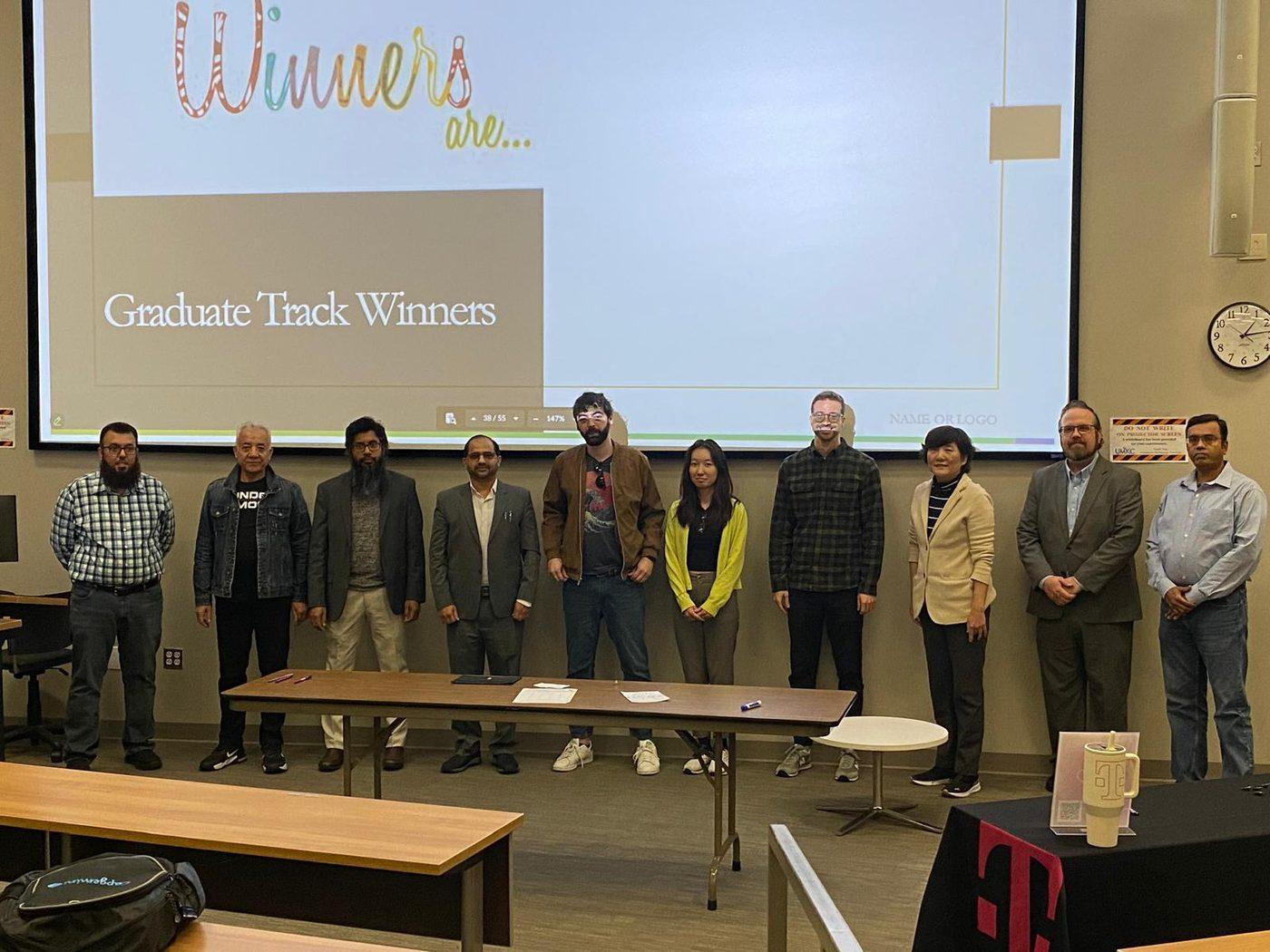
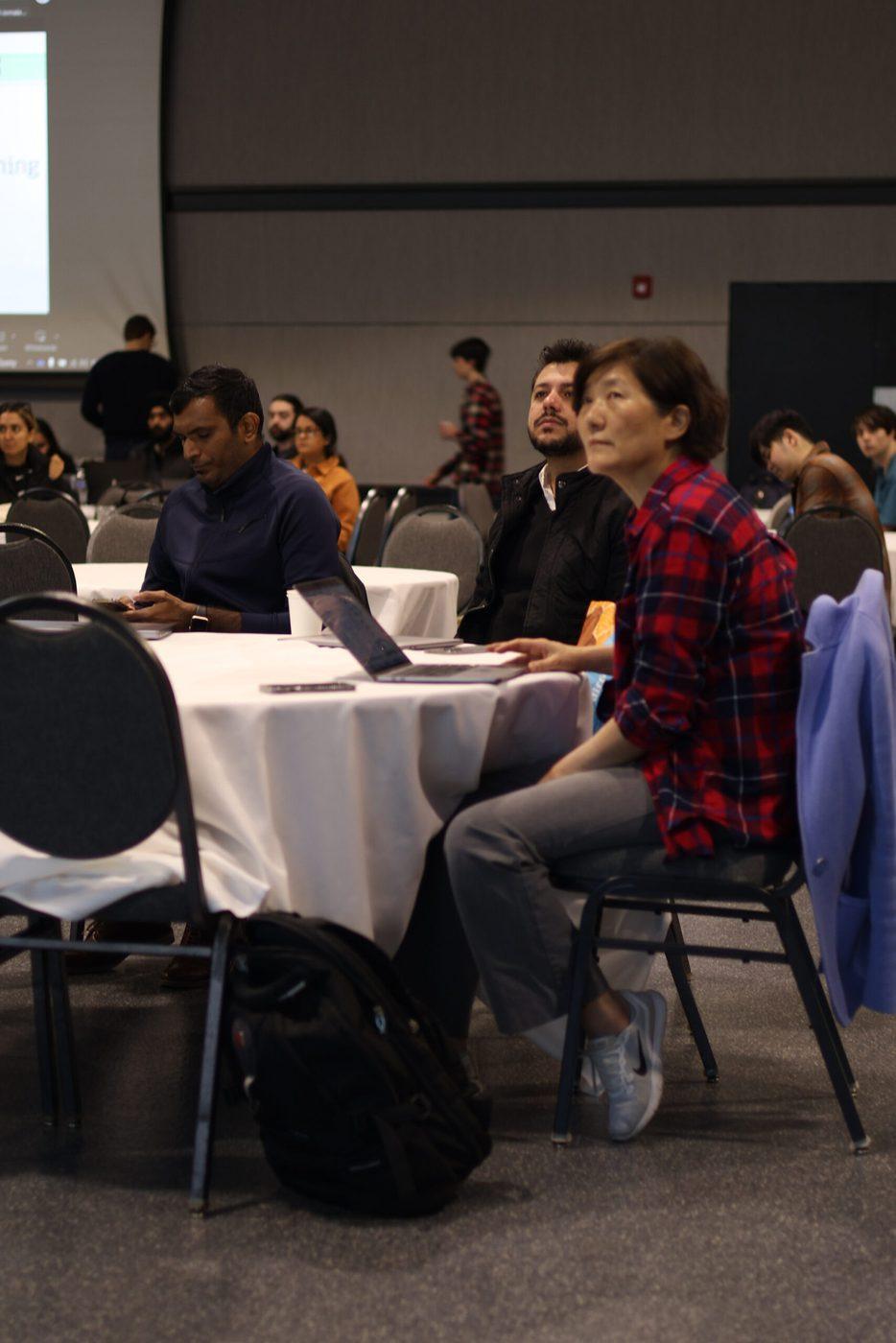
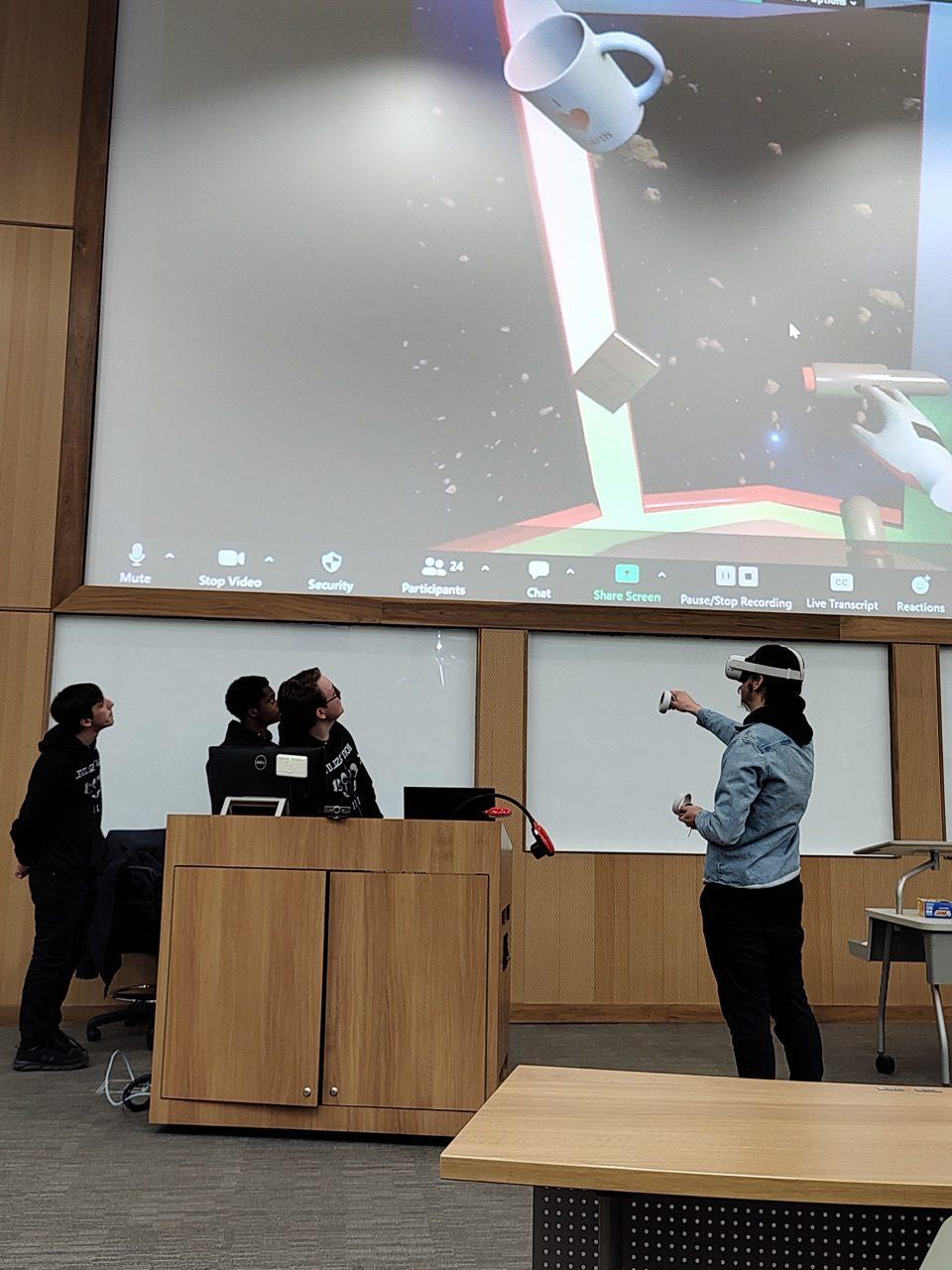
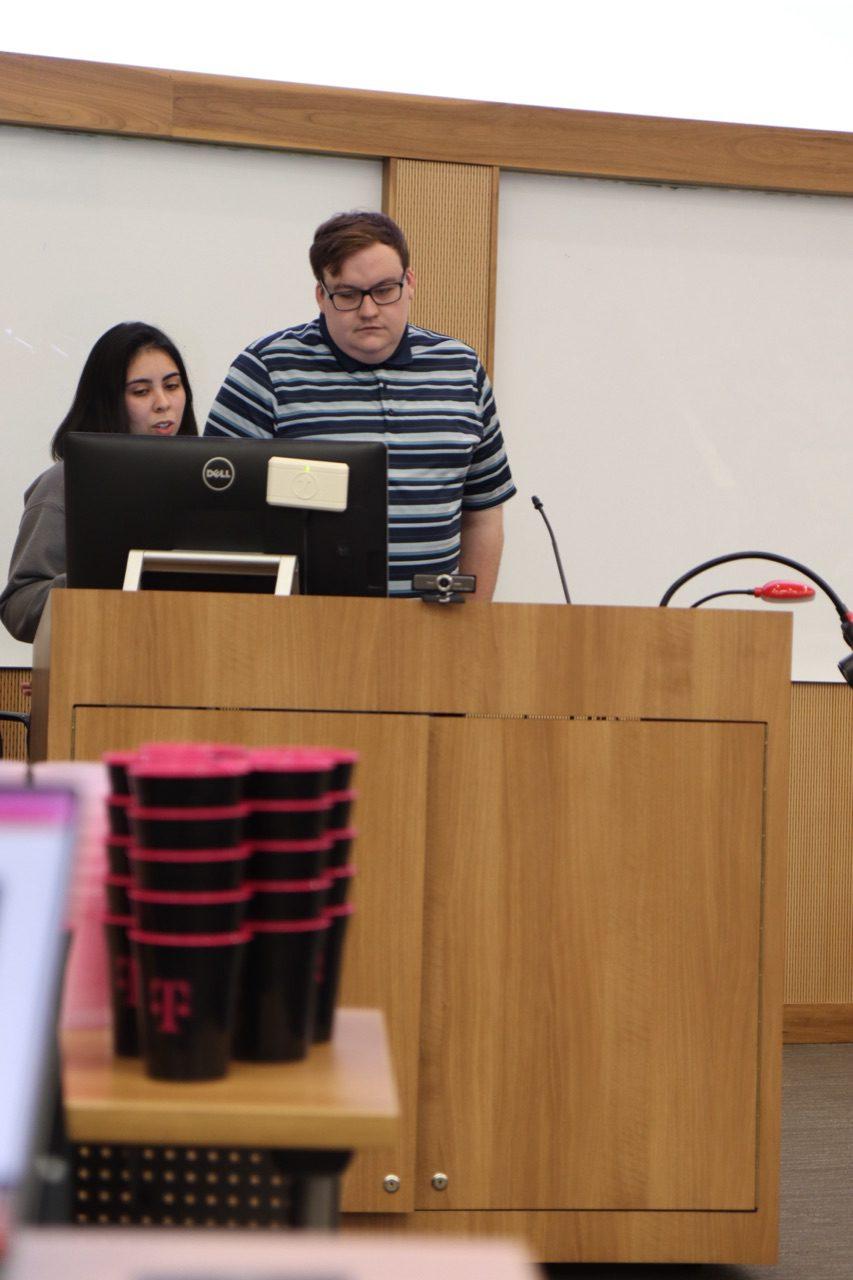
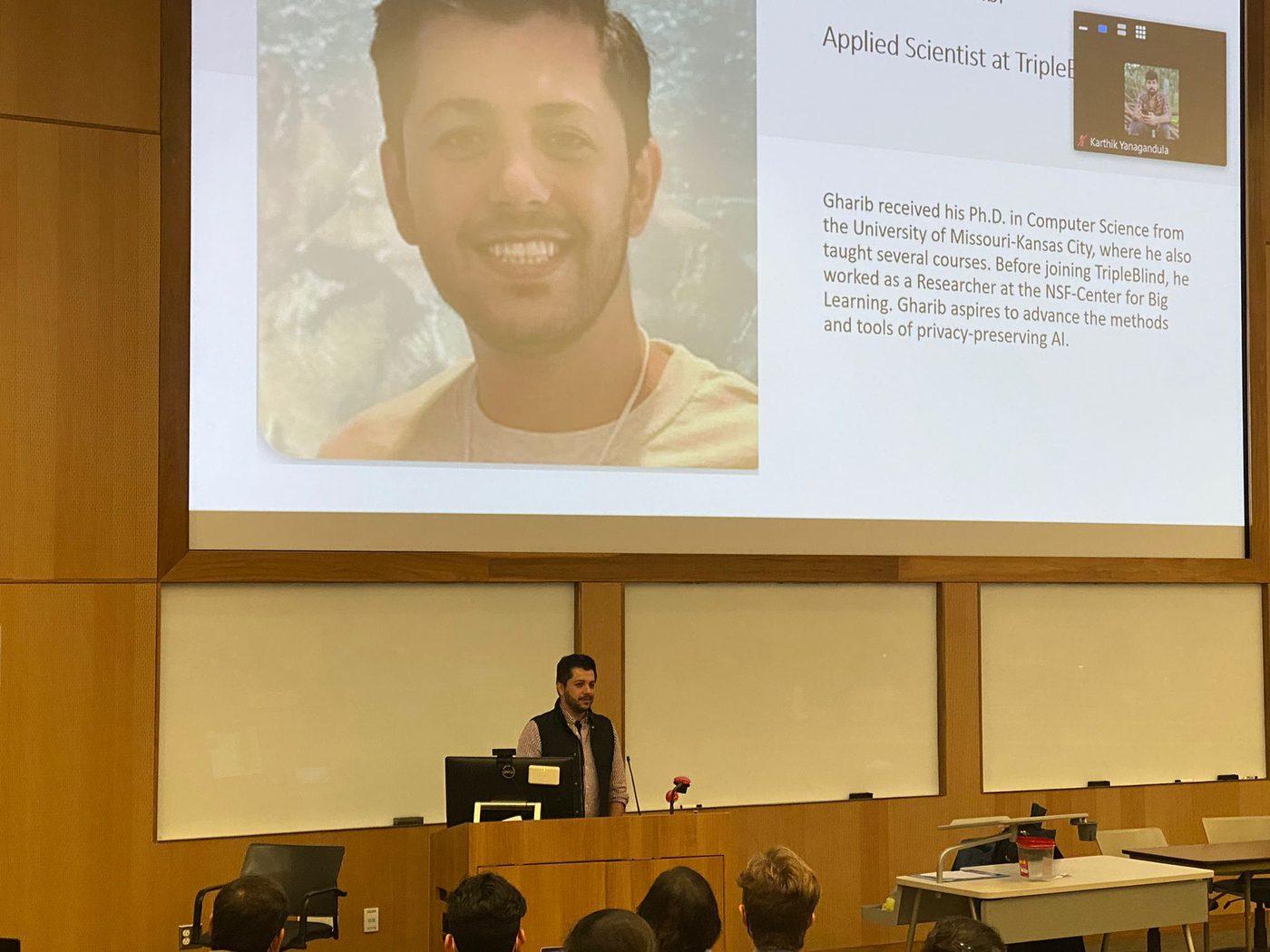
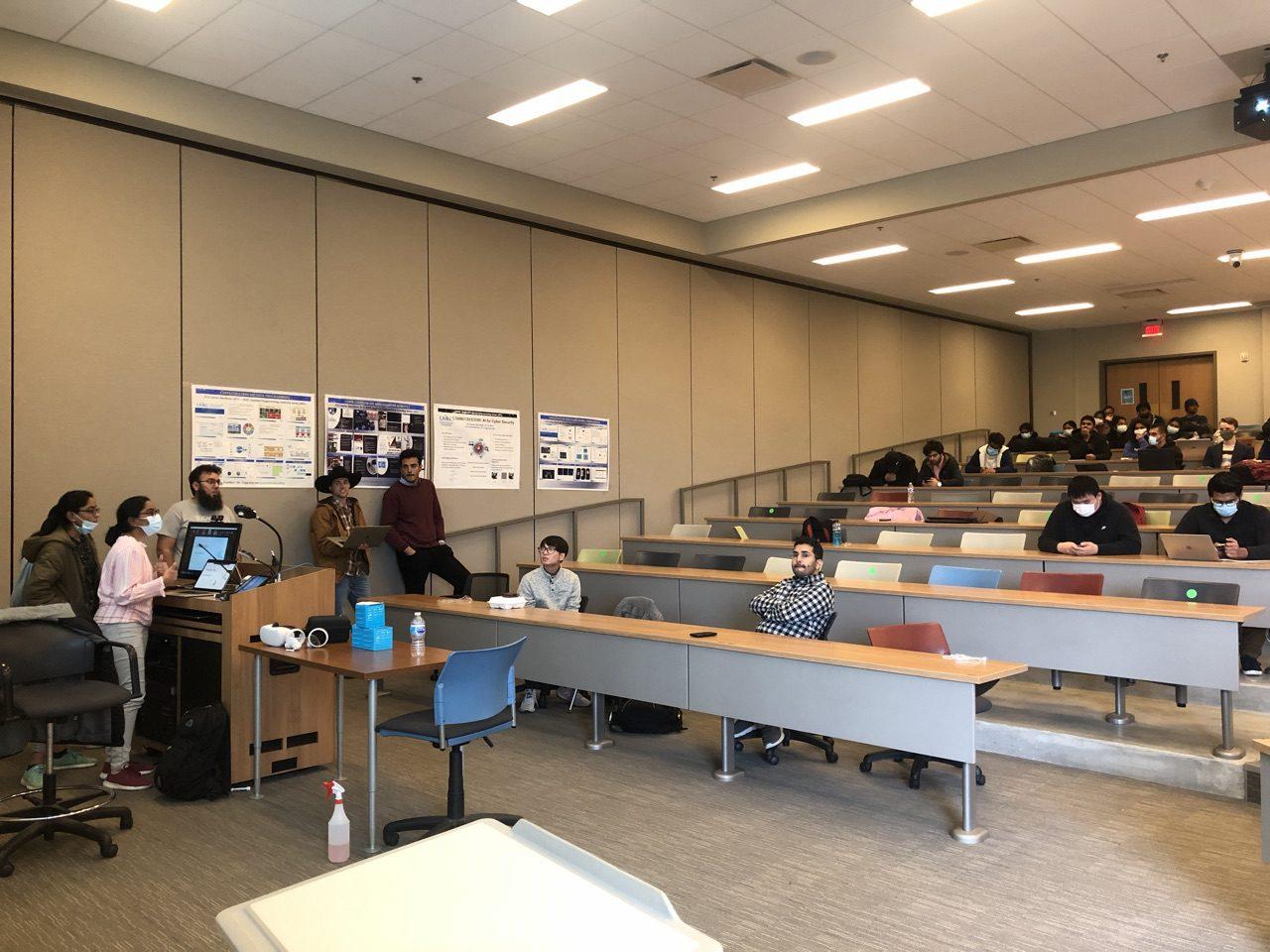
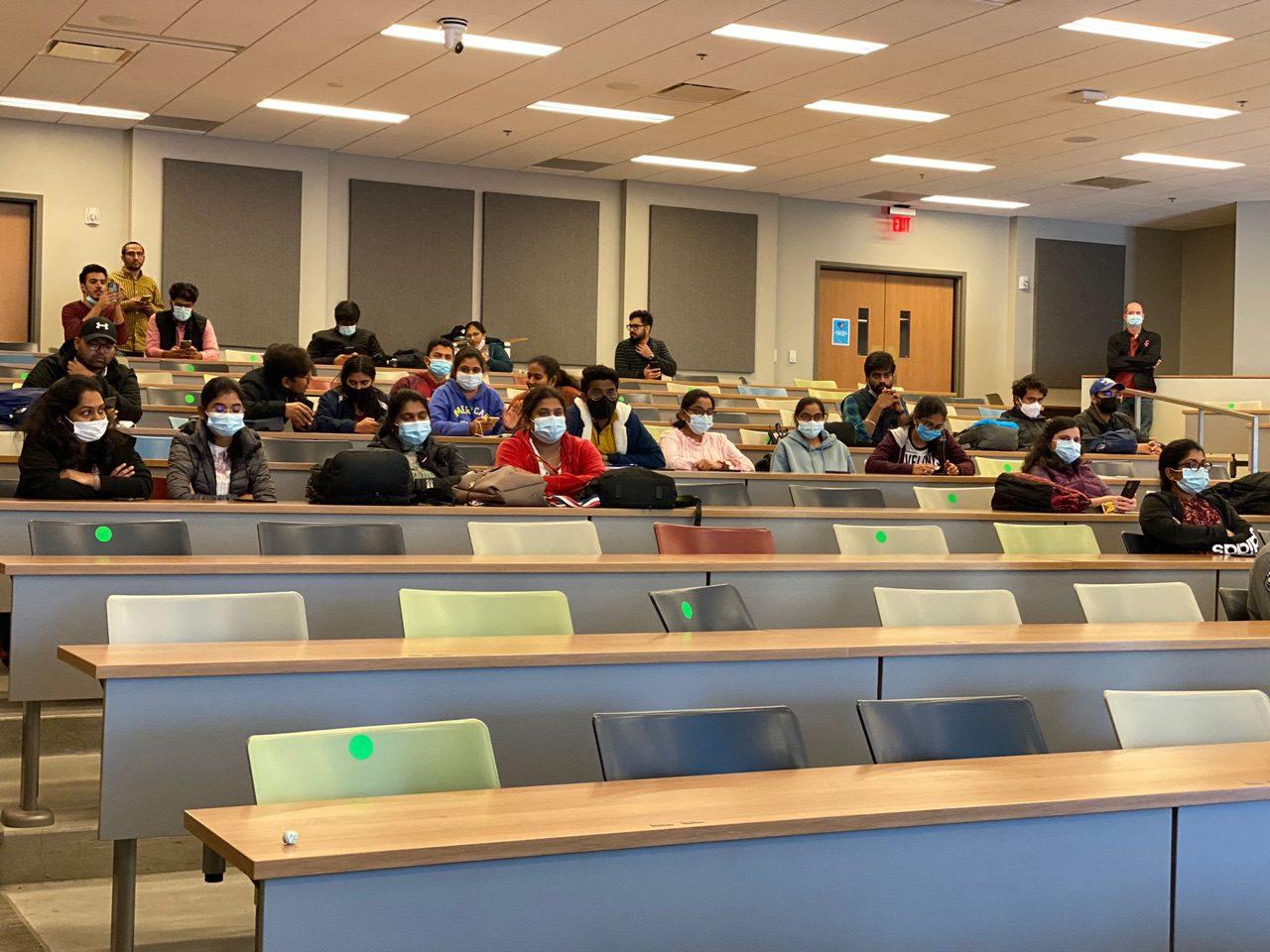
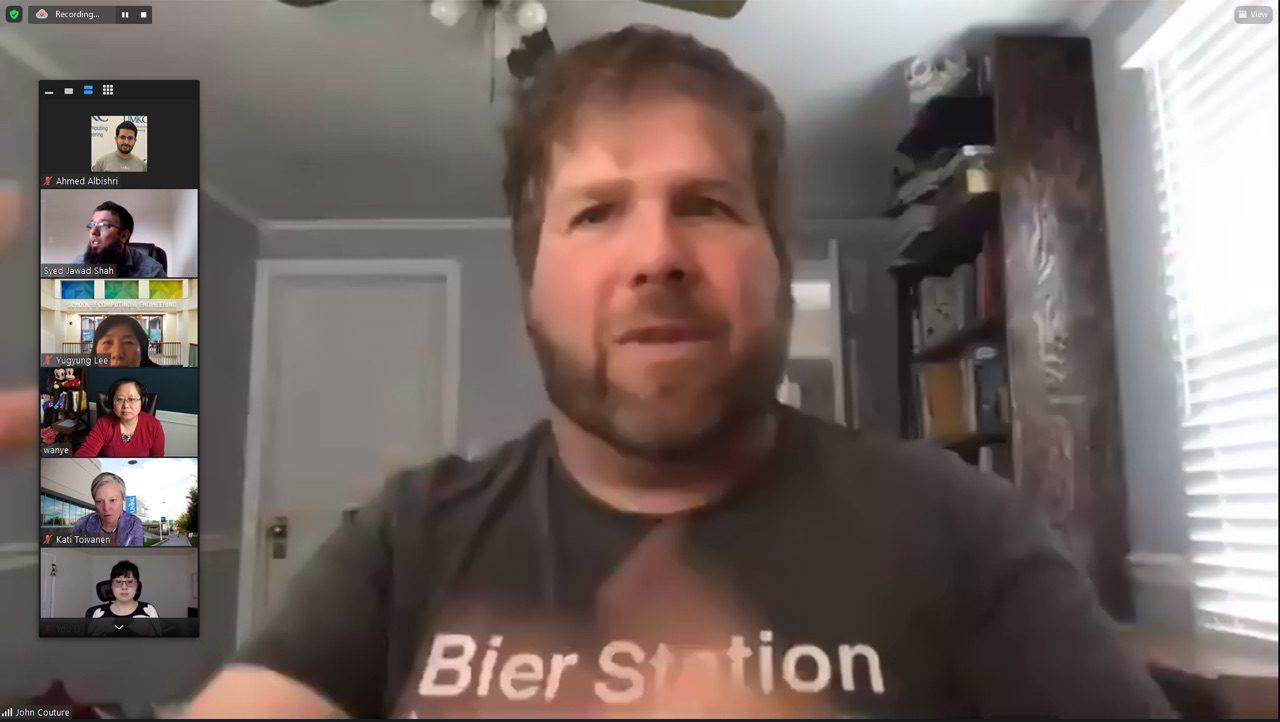
Research-A-Thon
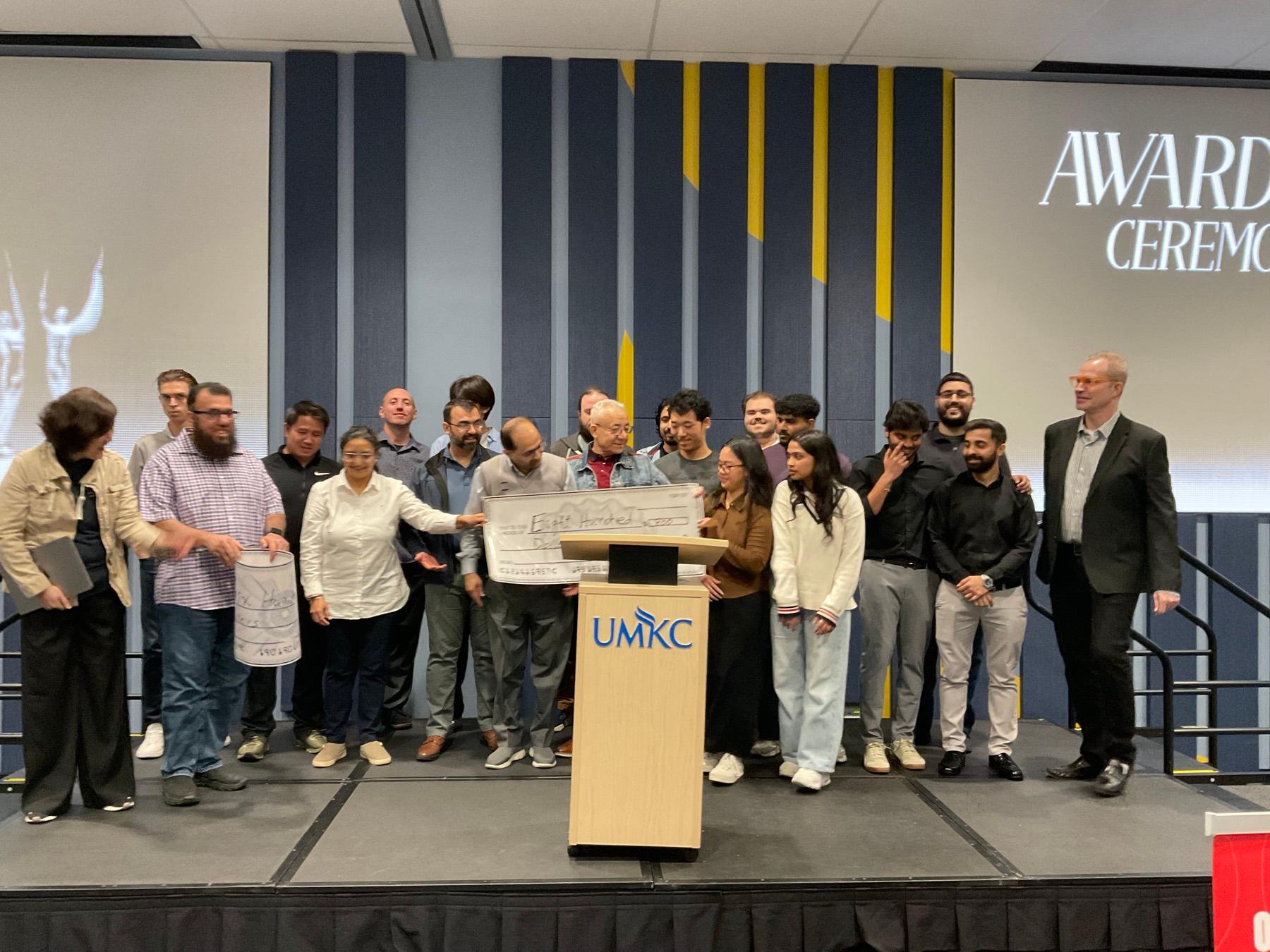
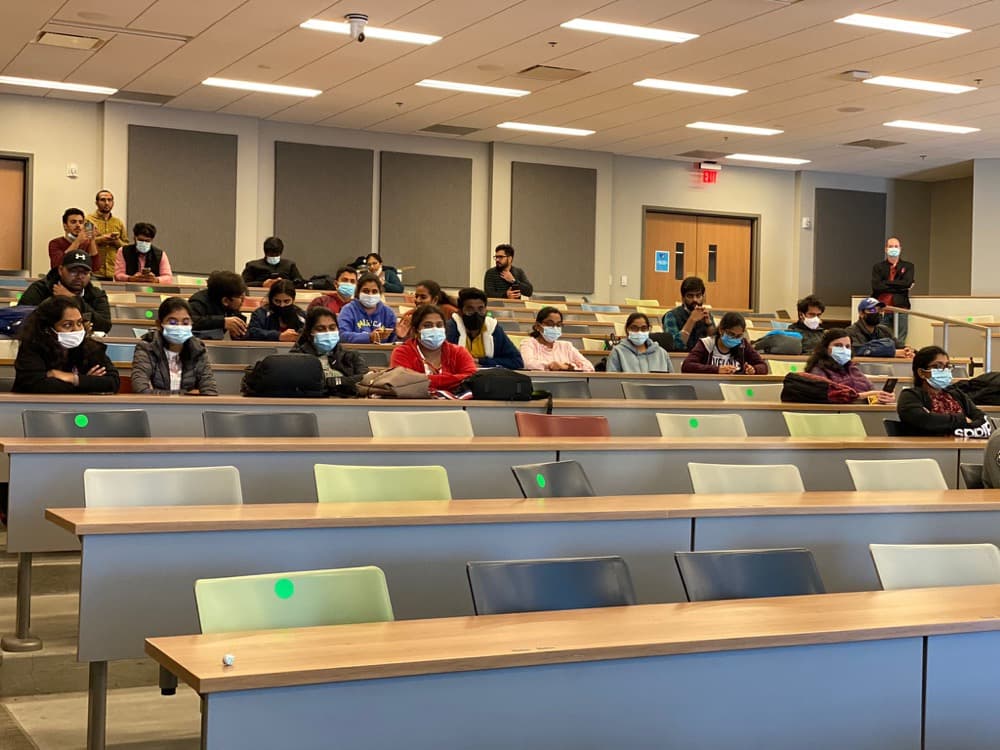
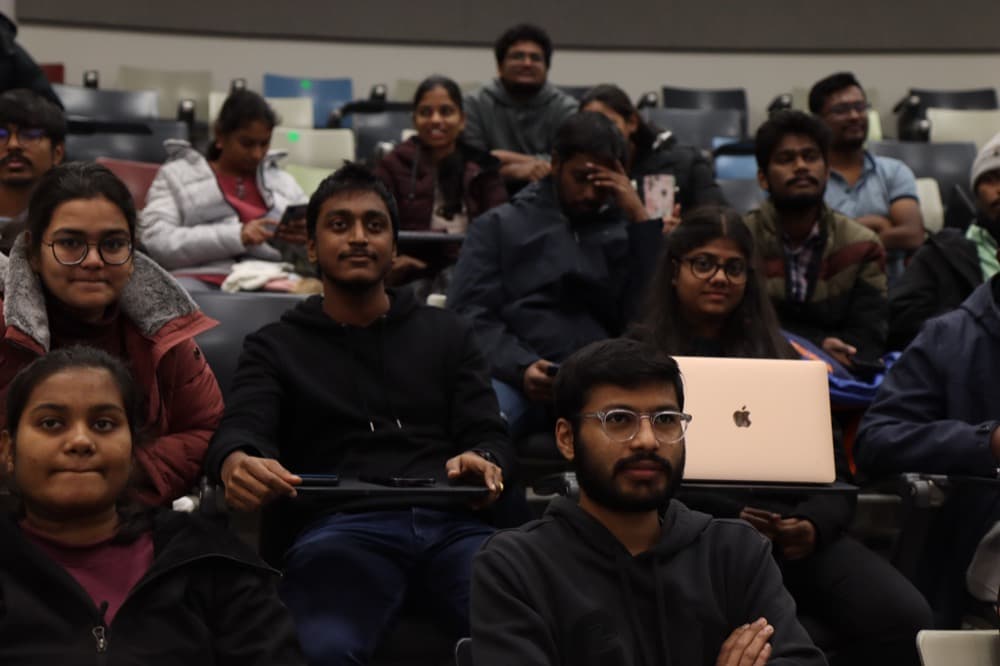
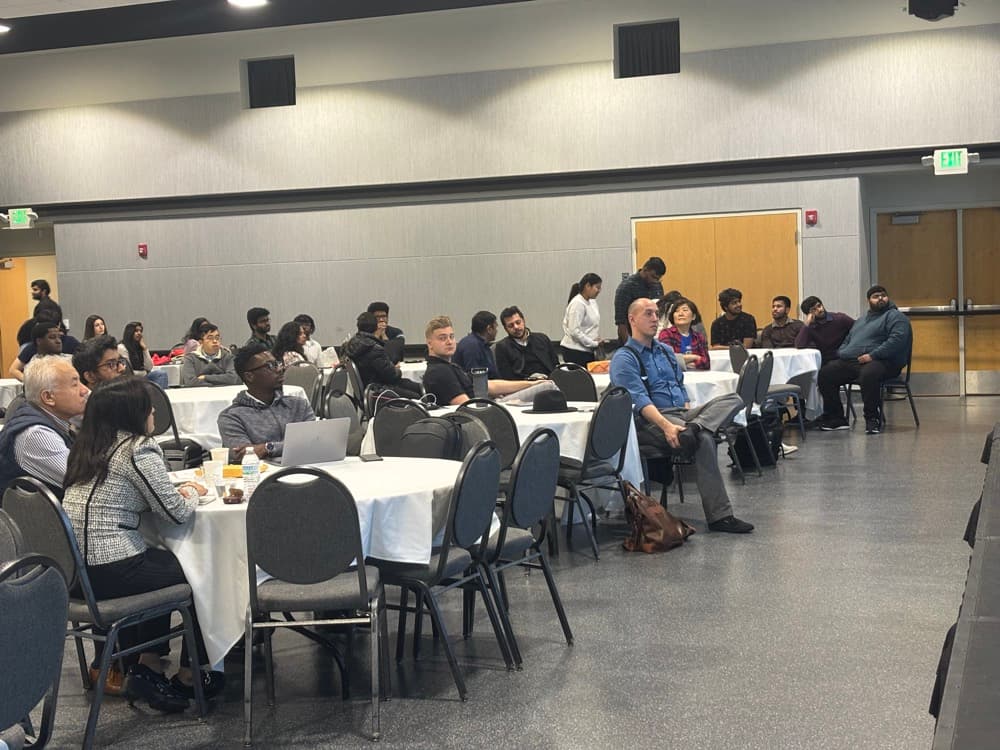
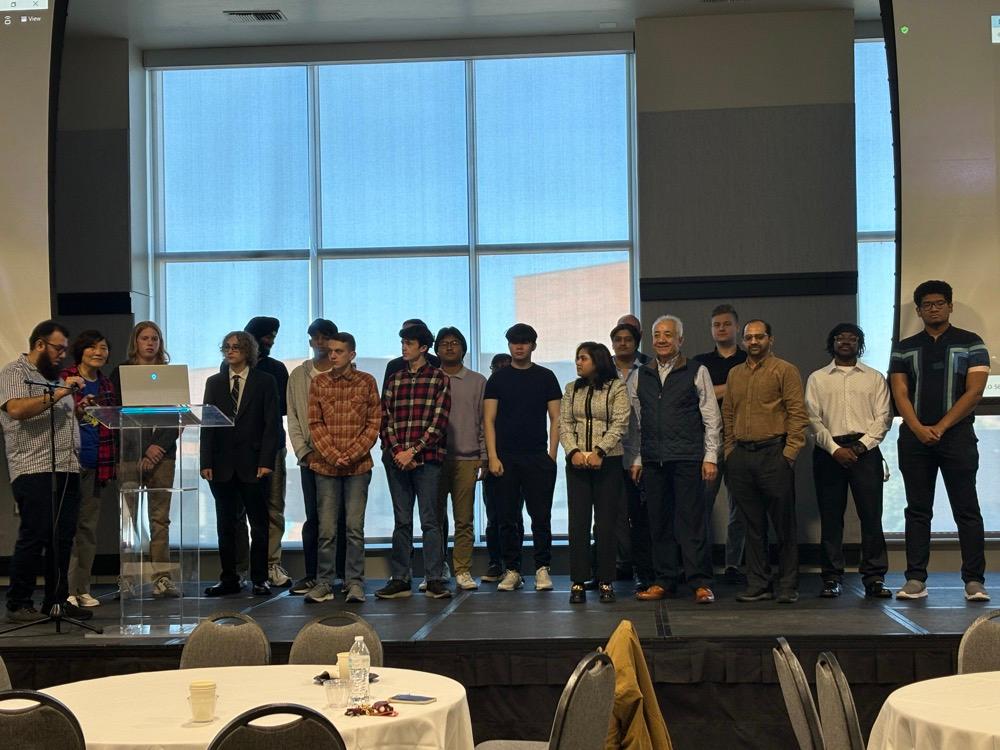
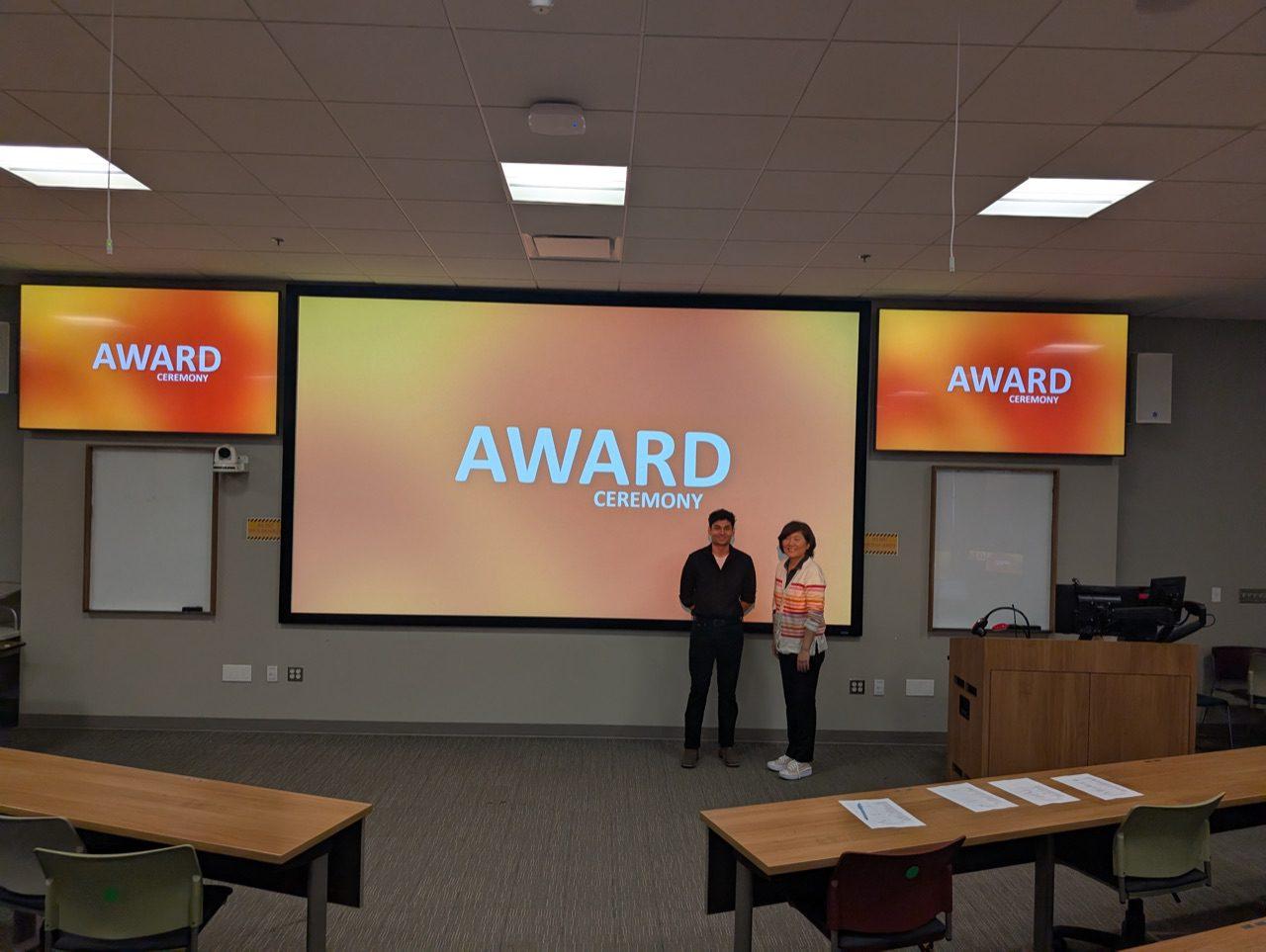
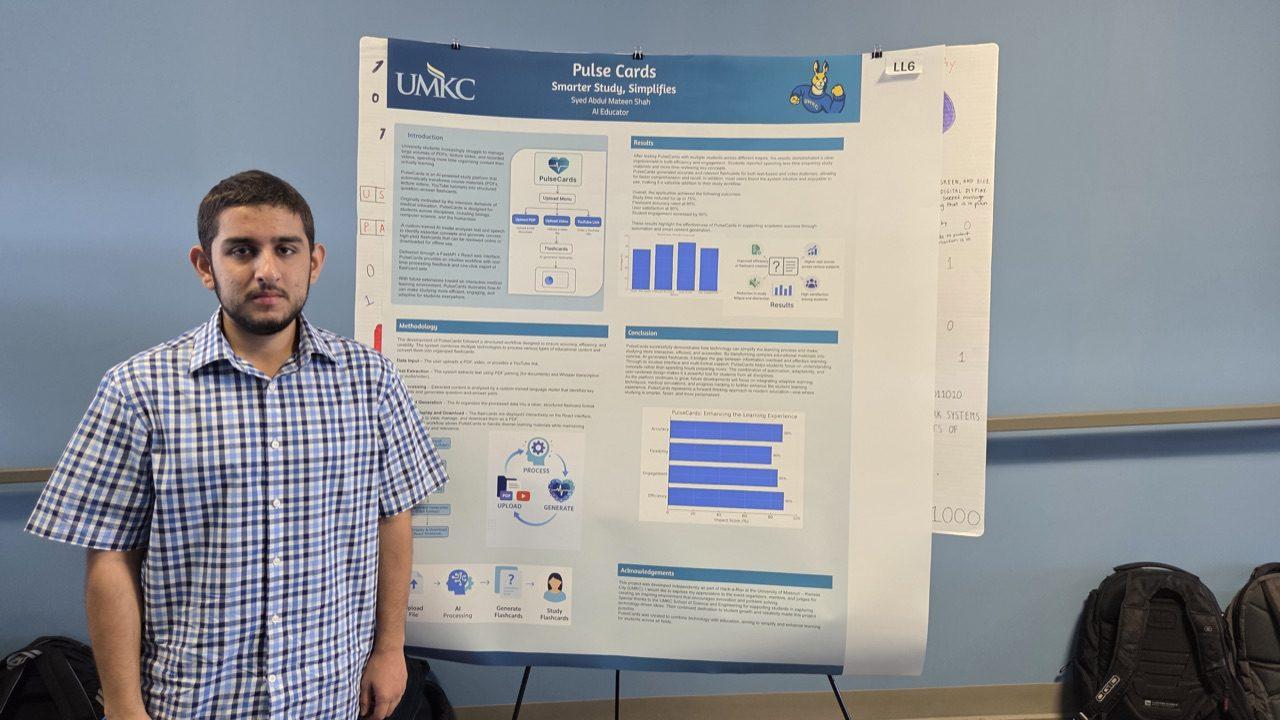
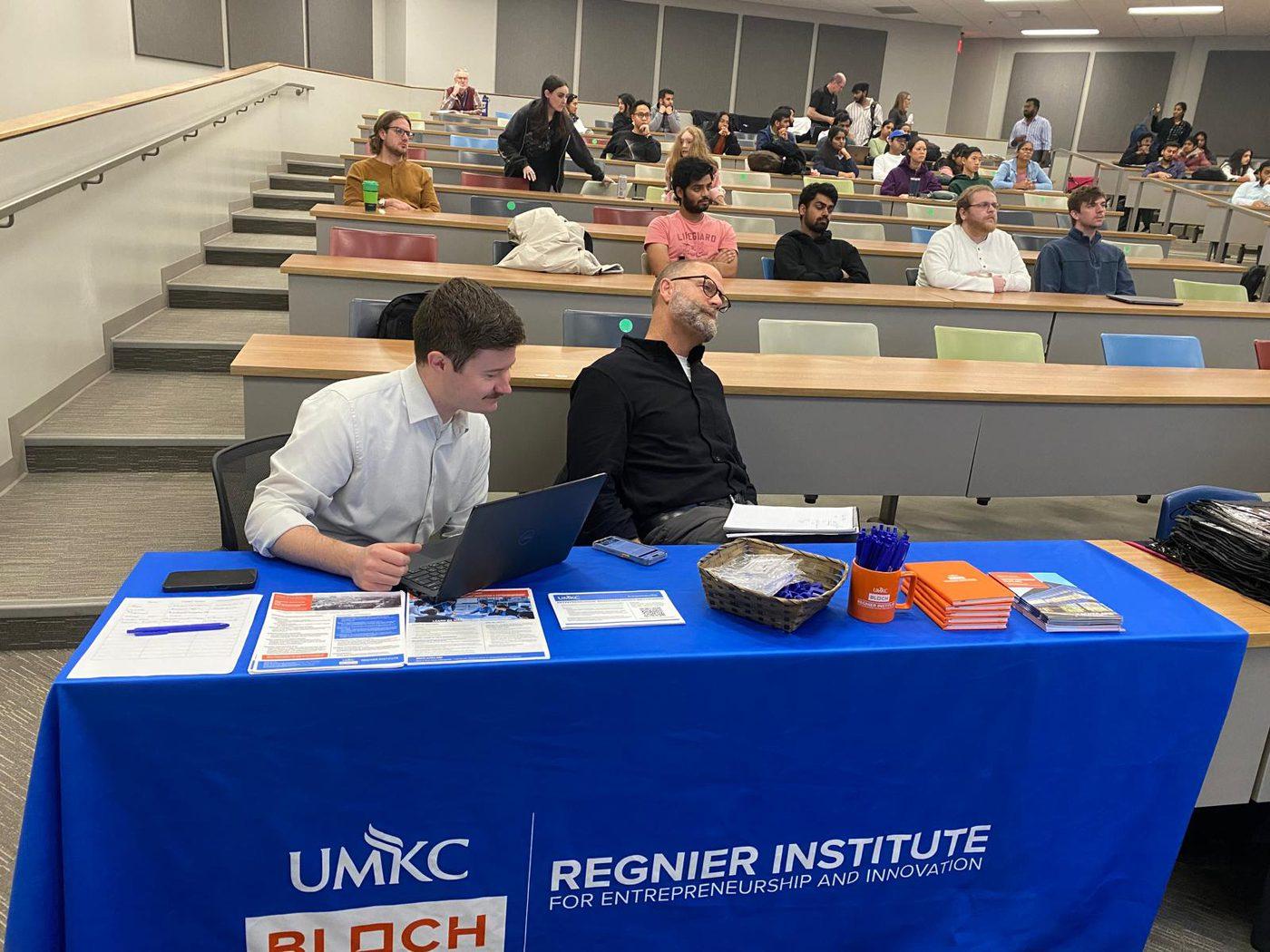
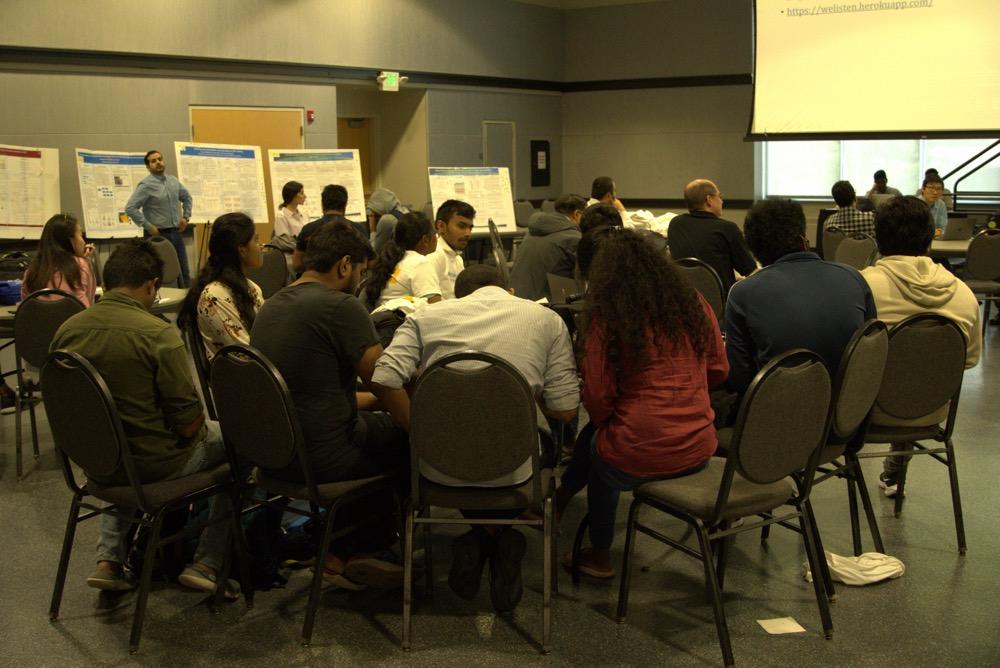
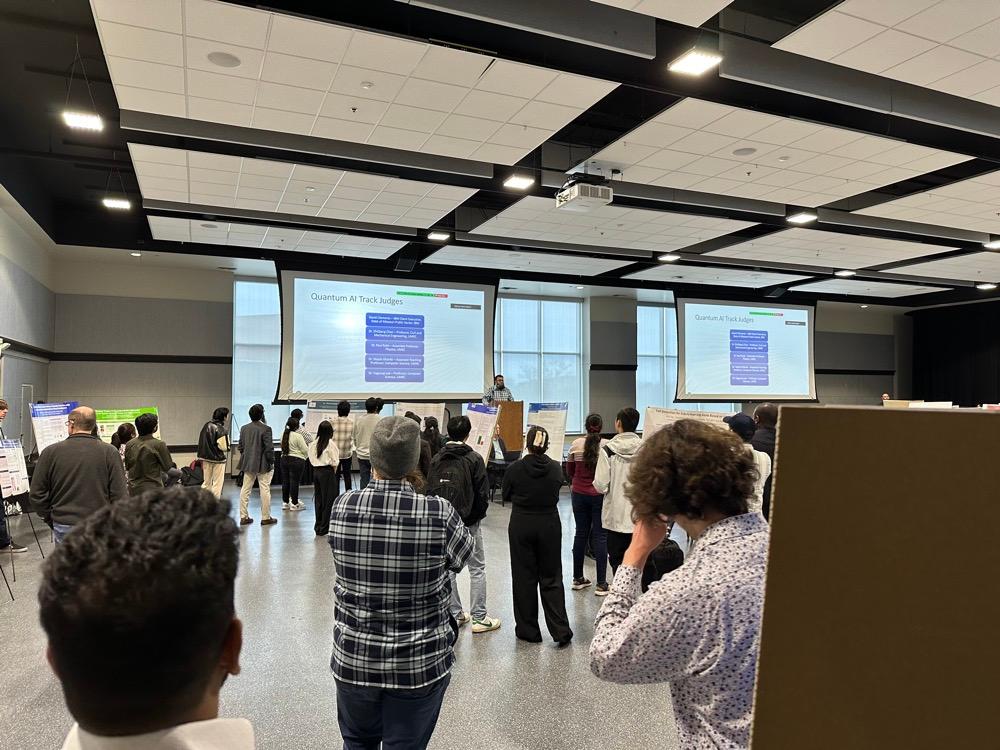
A research-focused showcase where students present projects, prototypes, and posters to faculty and external judges, with awards, technical communication, and real feedback at its core.
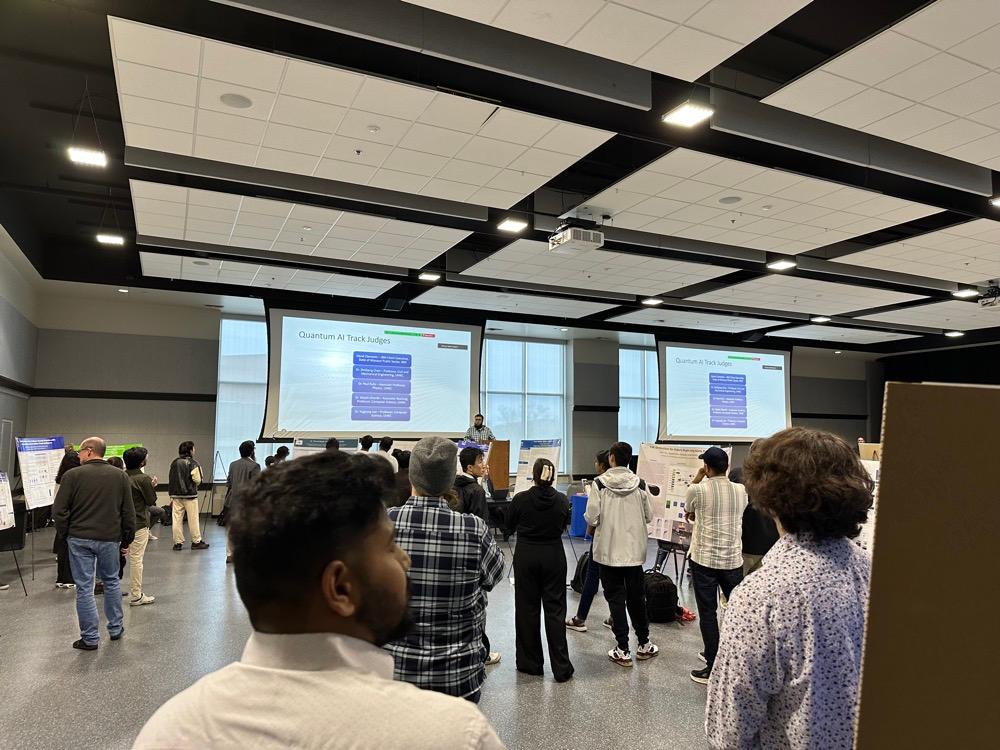
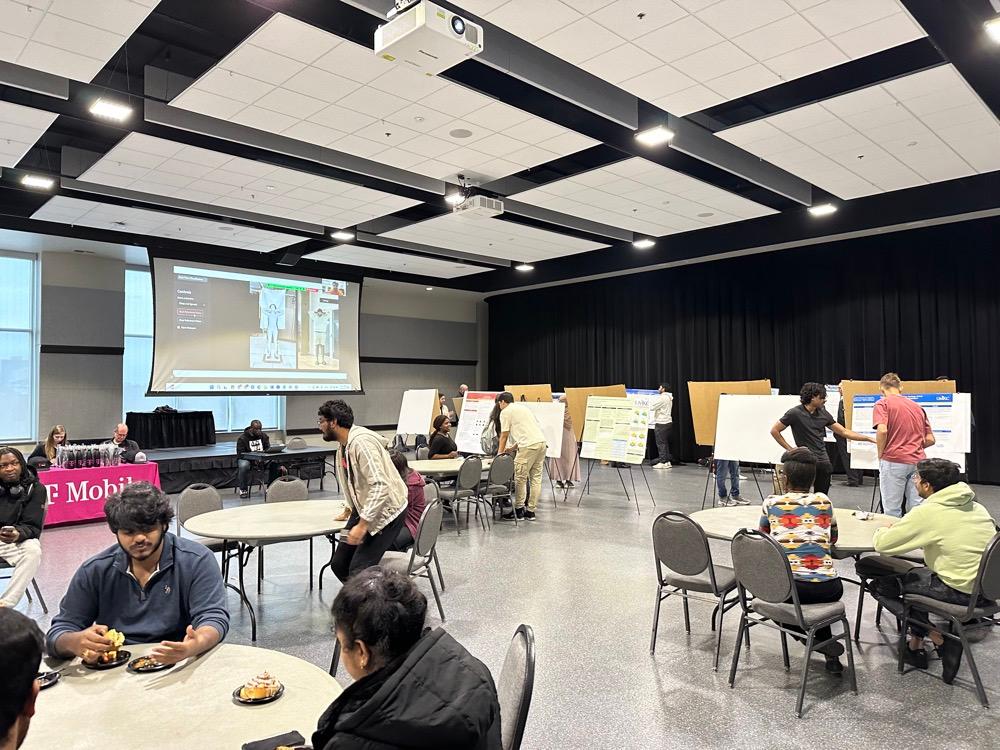
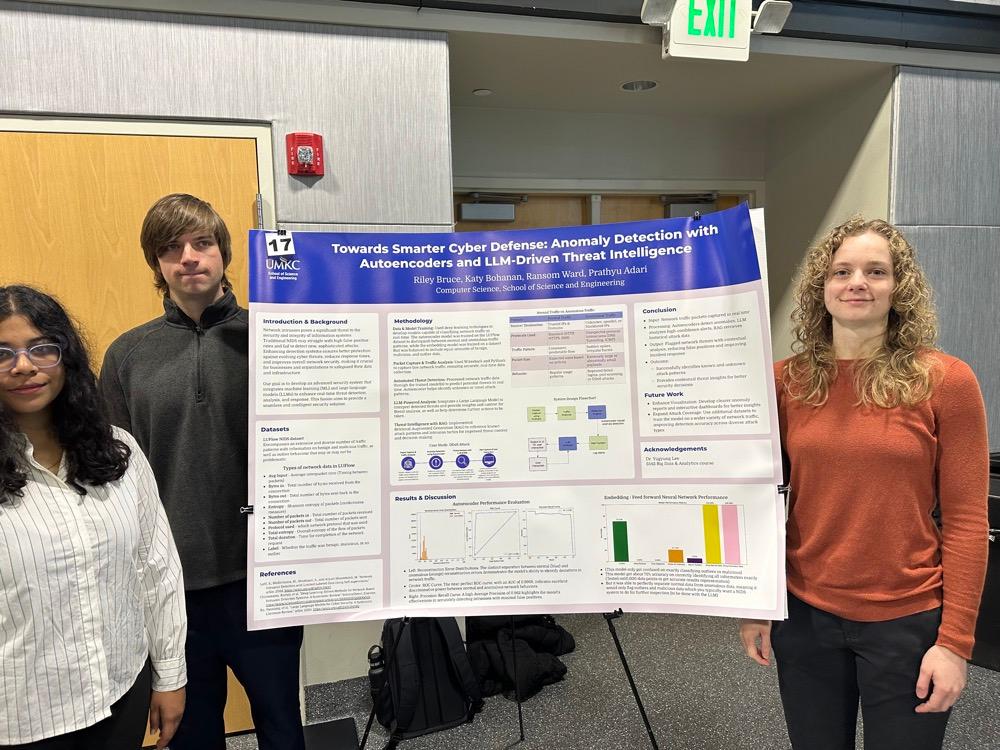
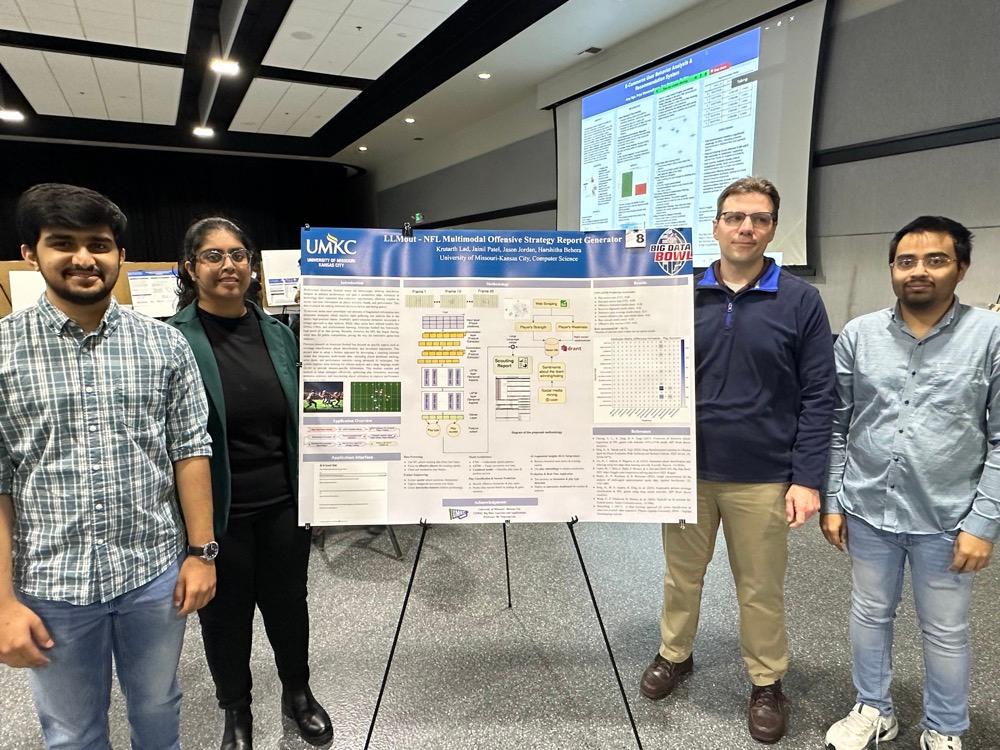
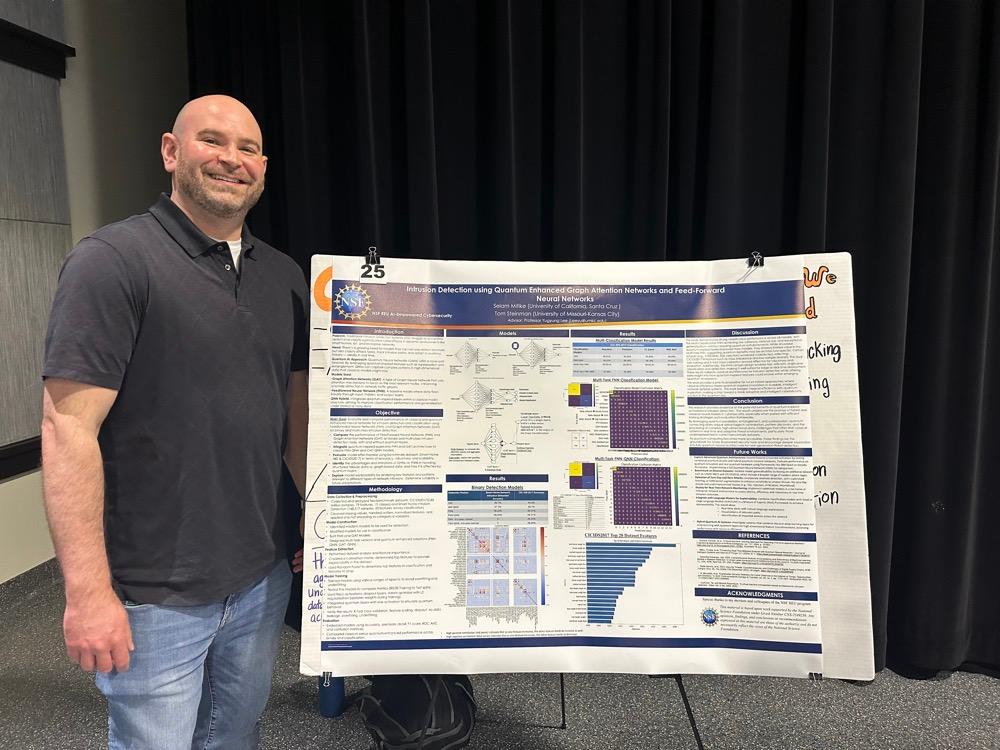
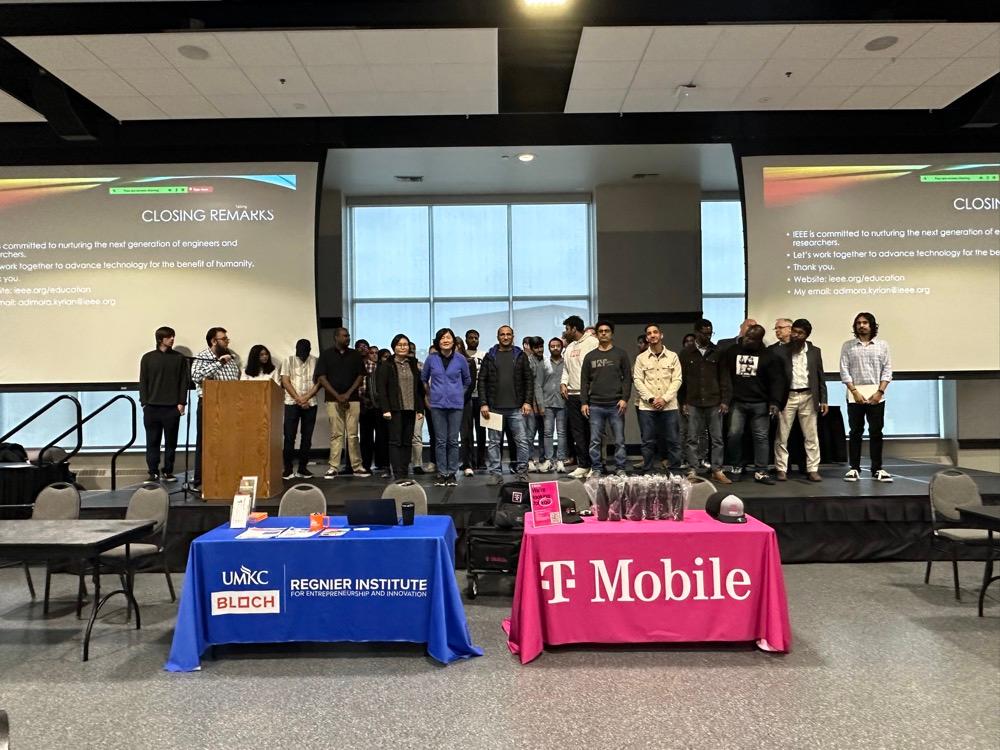
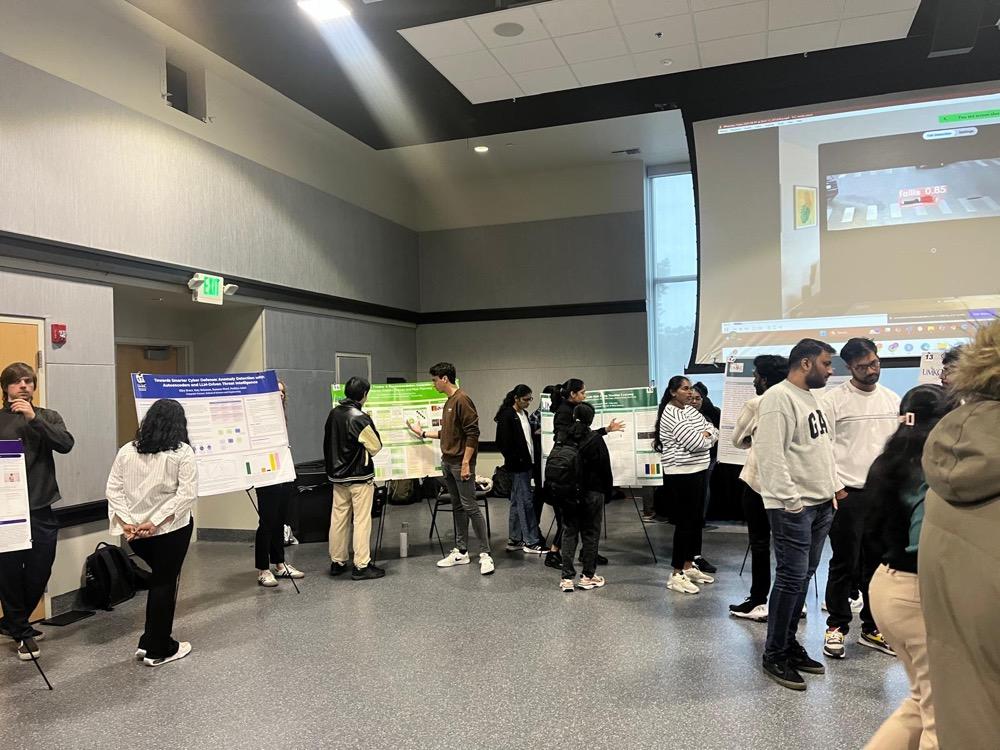
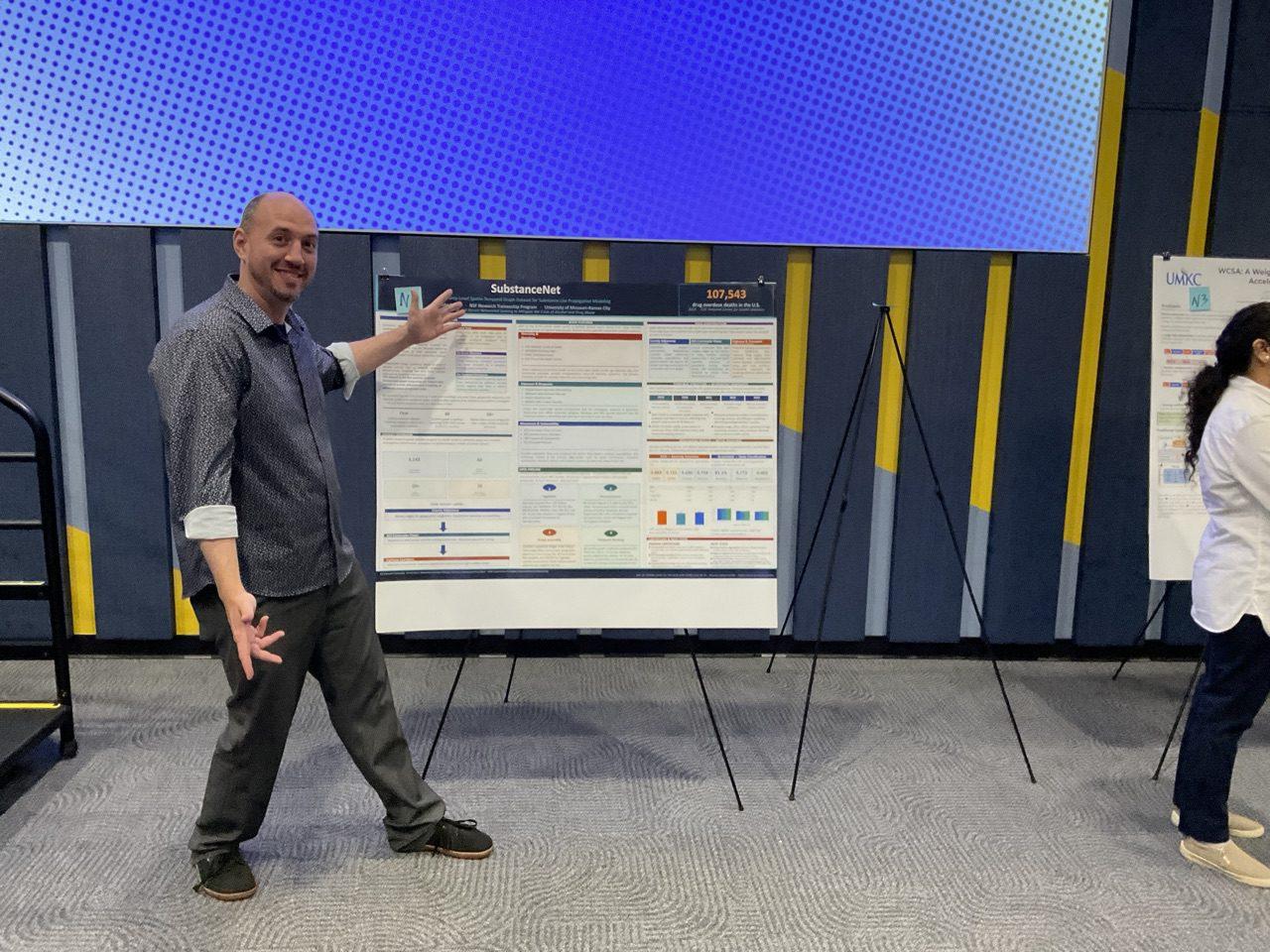
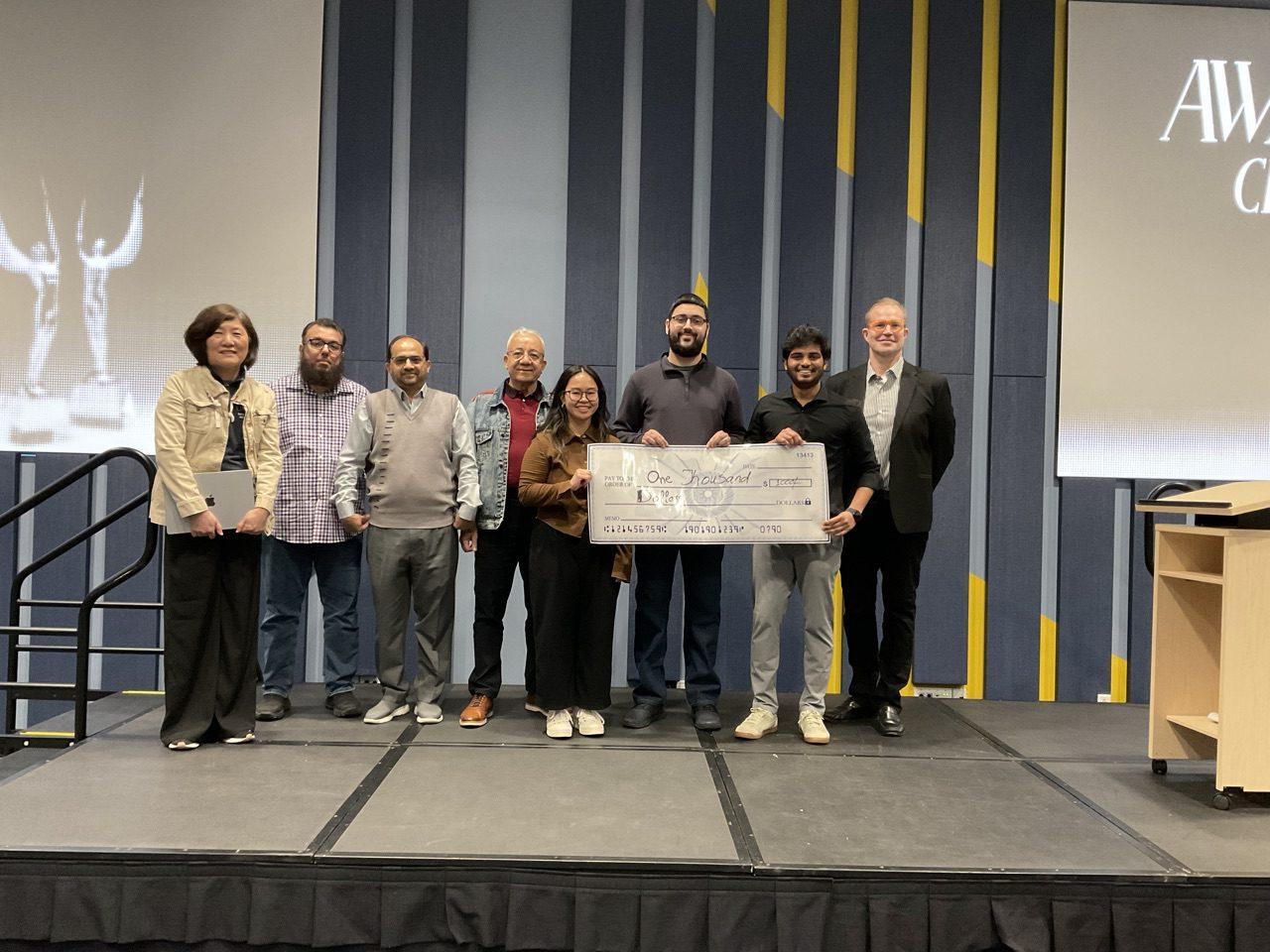
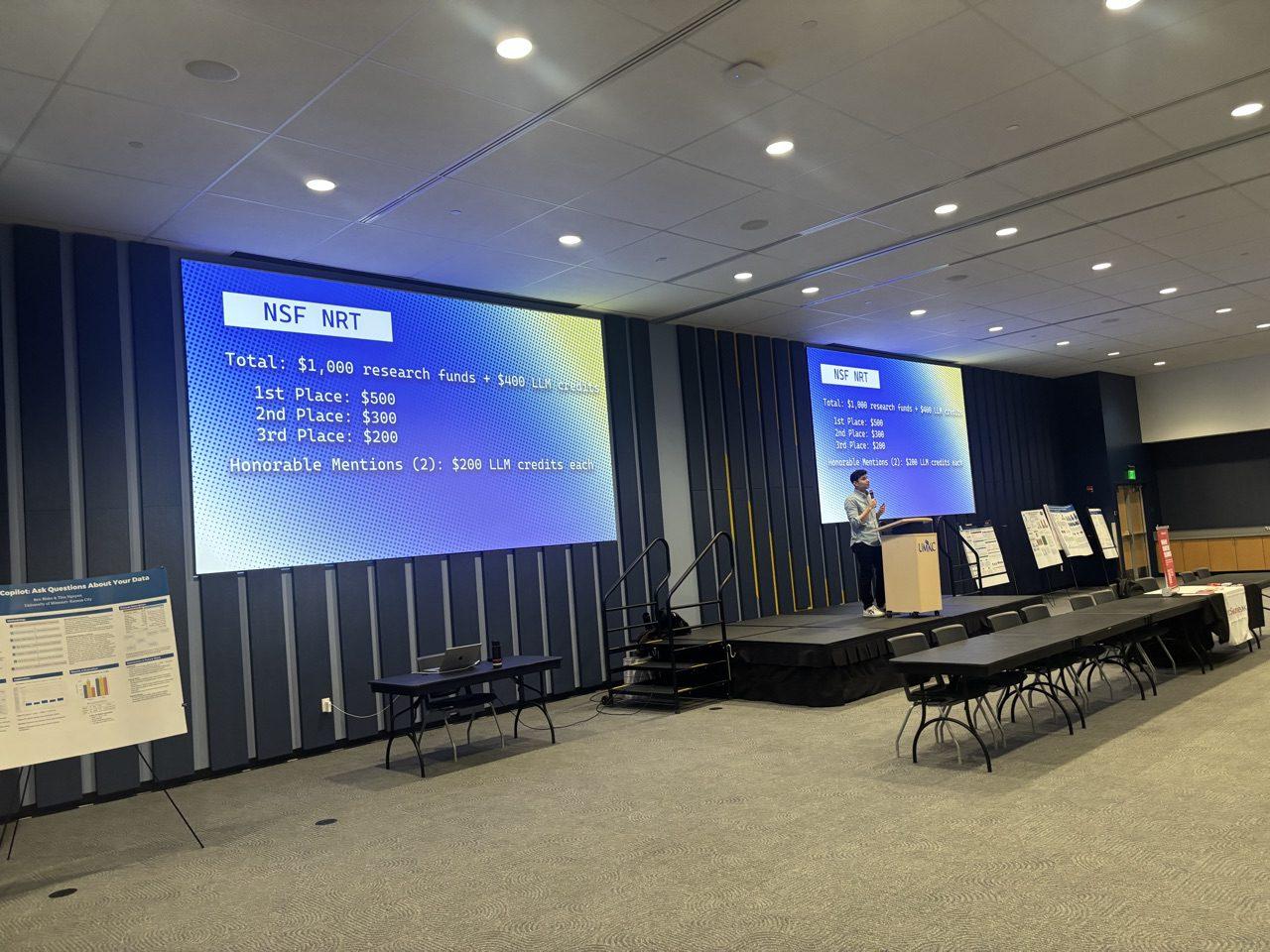
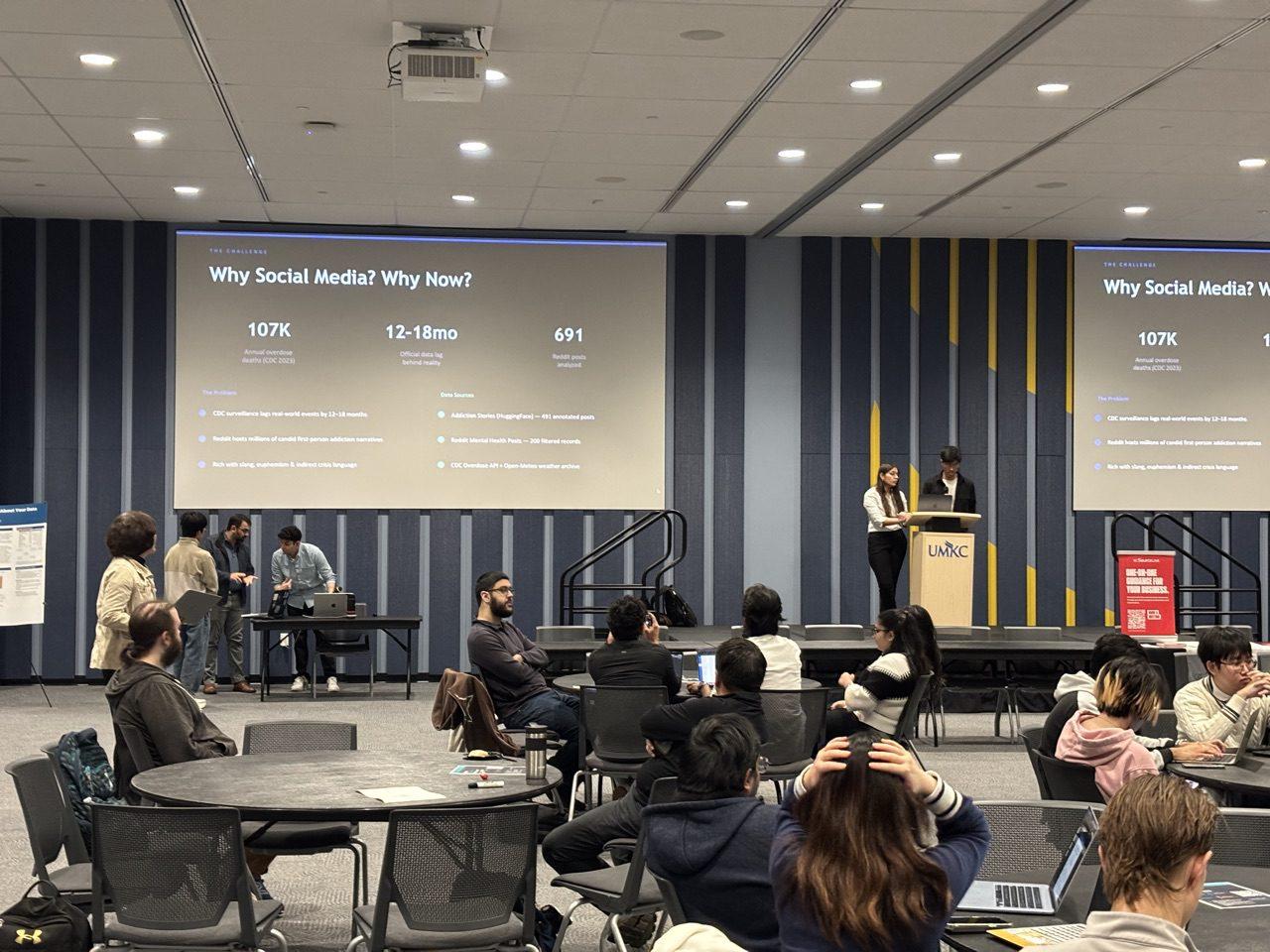
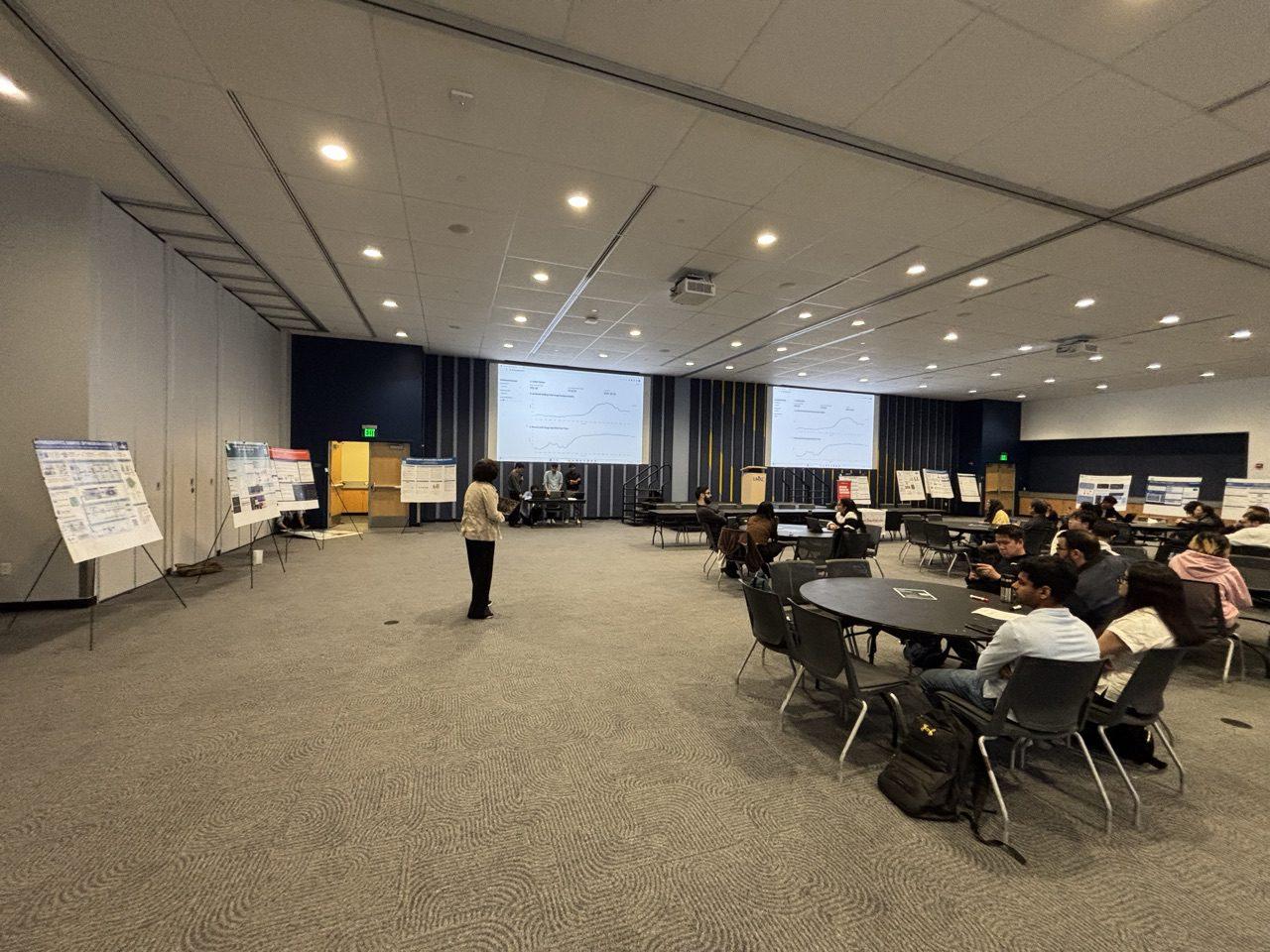
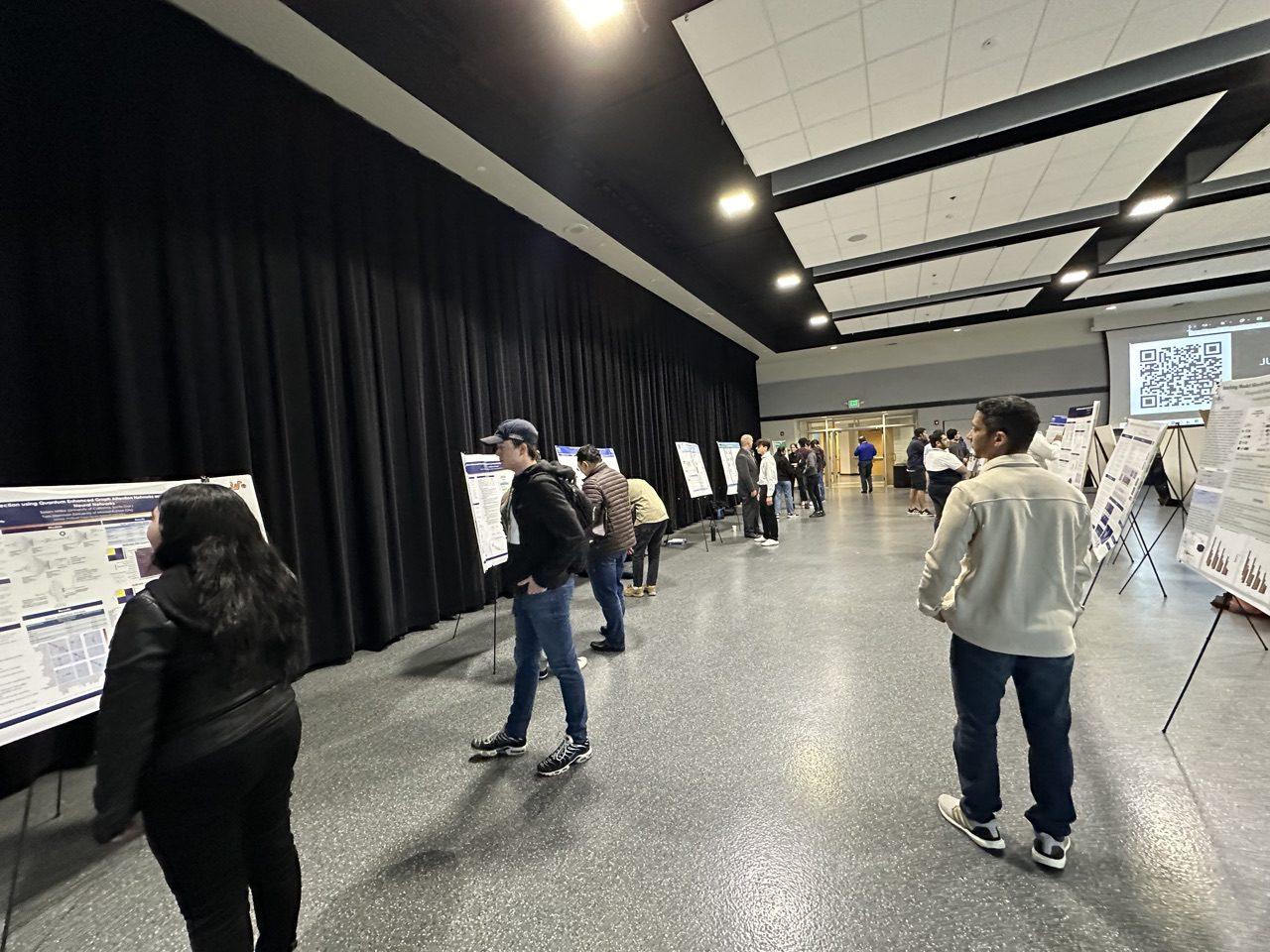
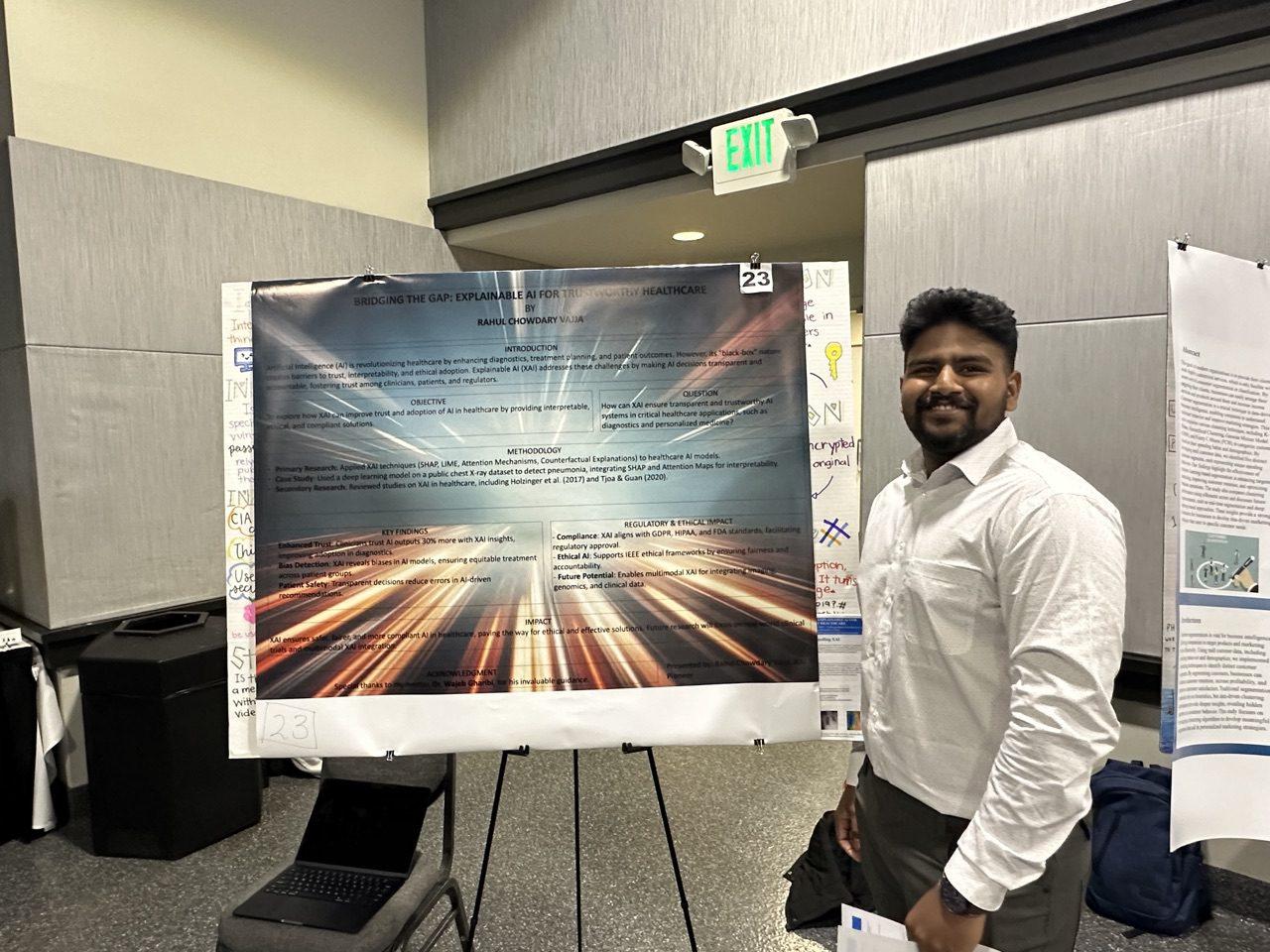
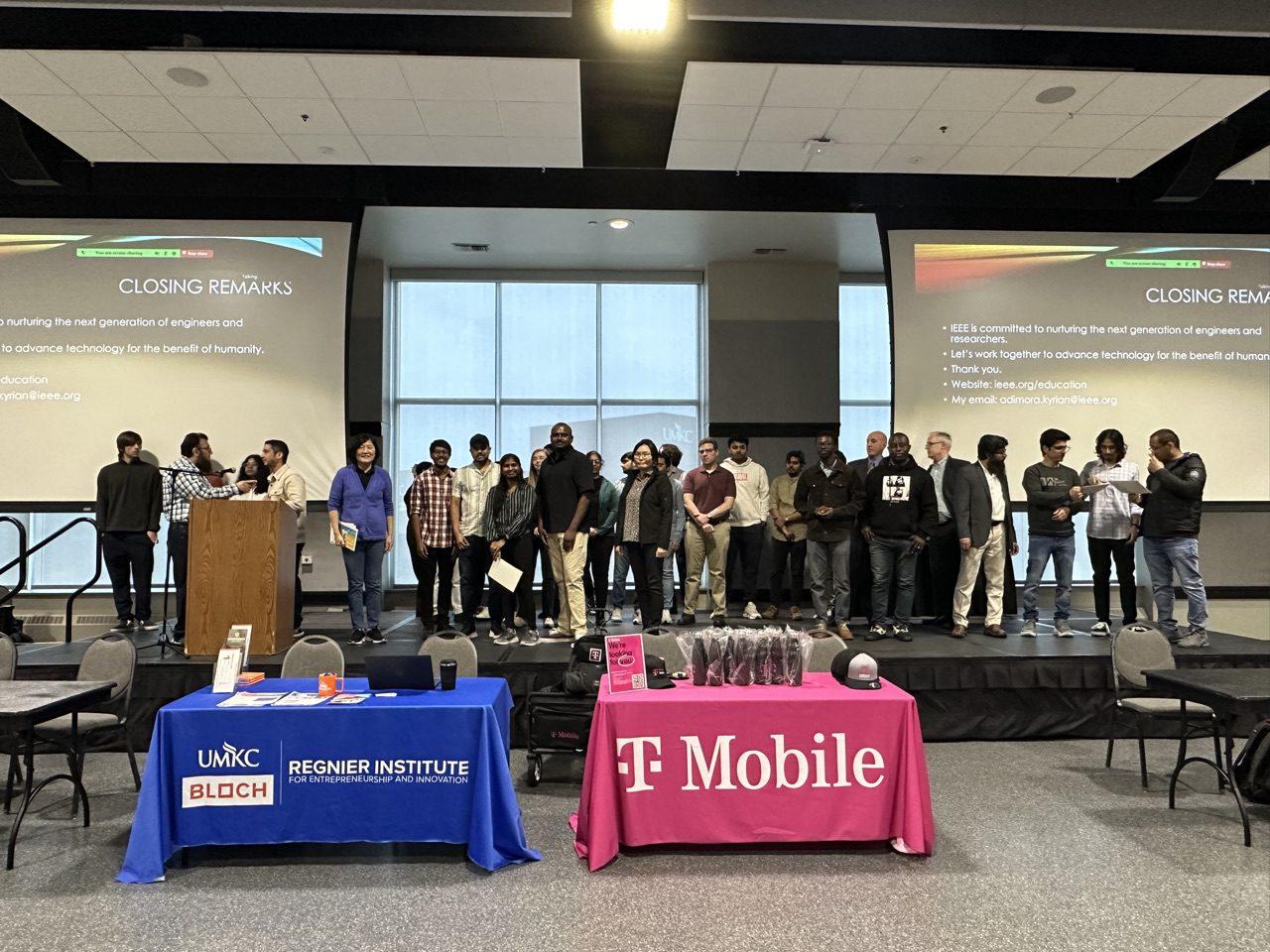
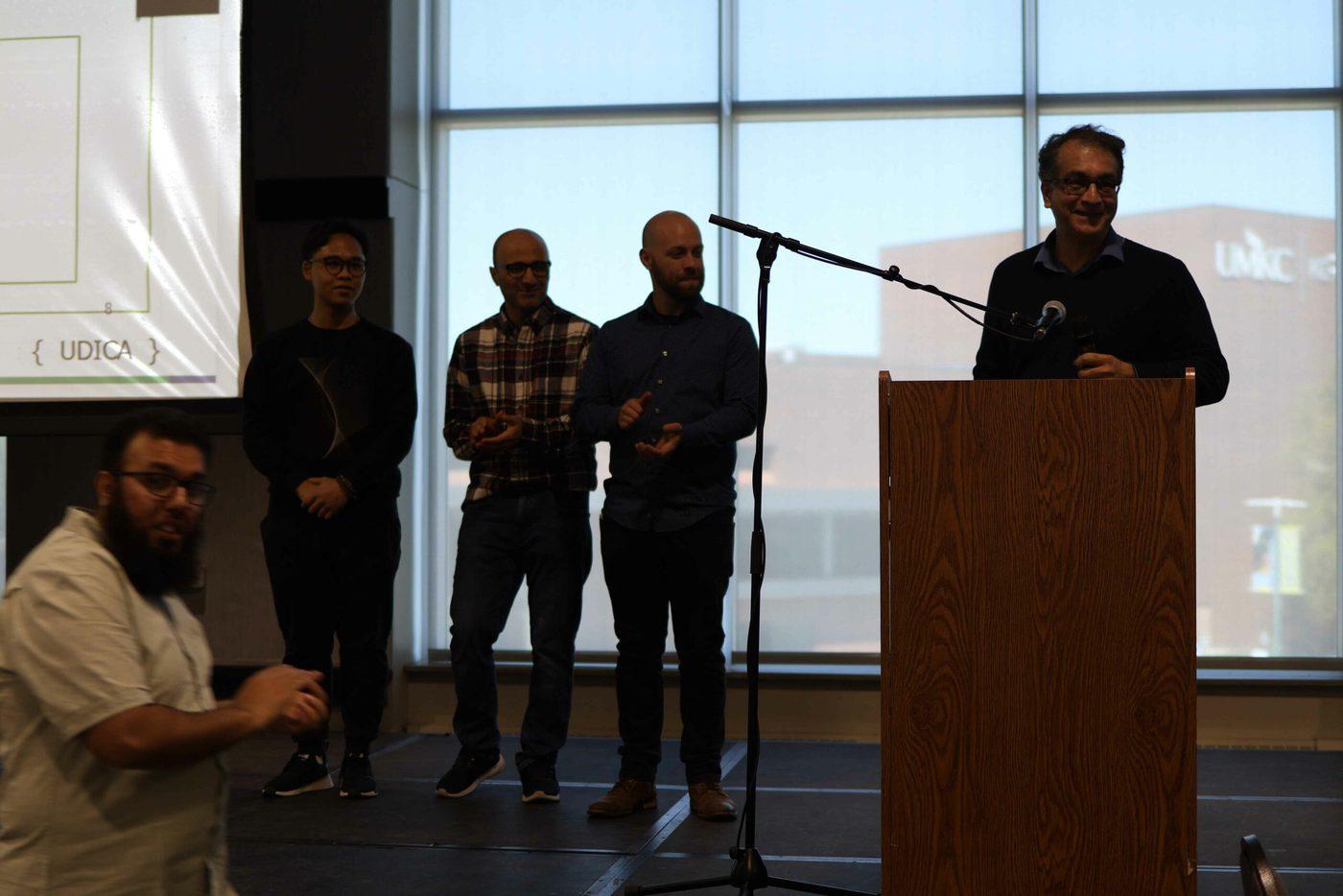
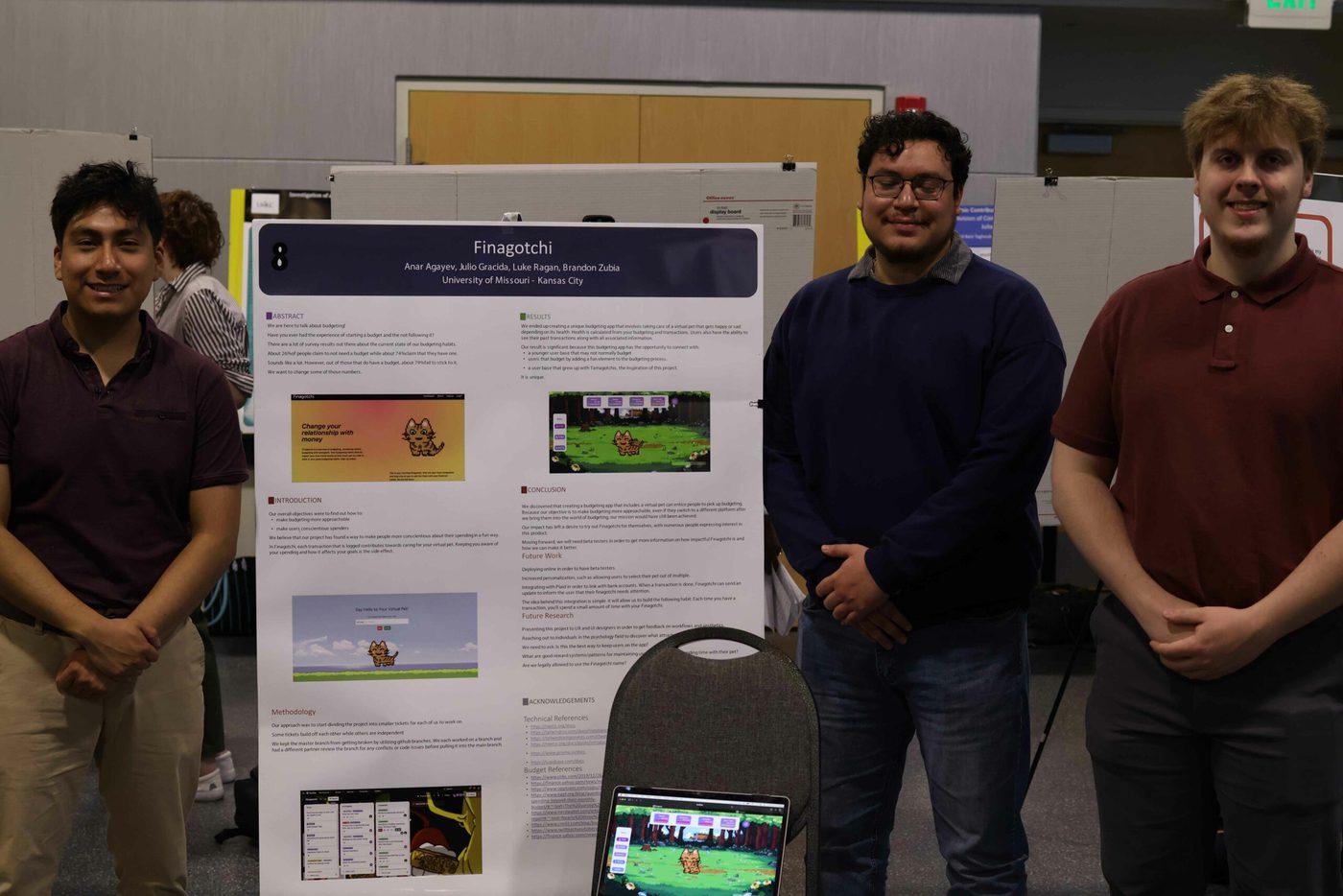
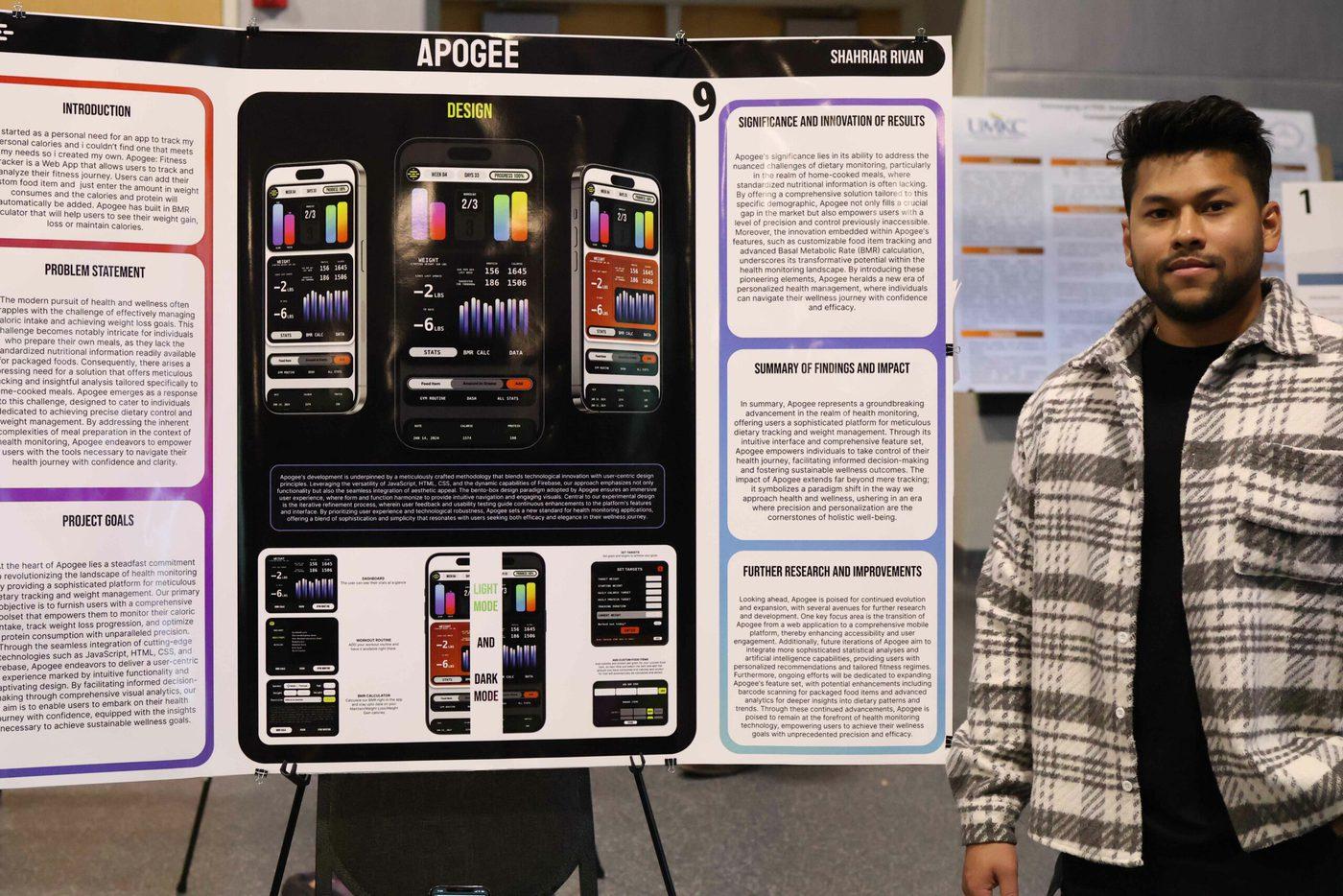
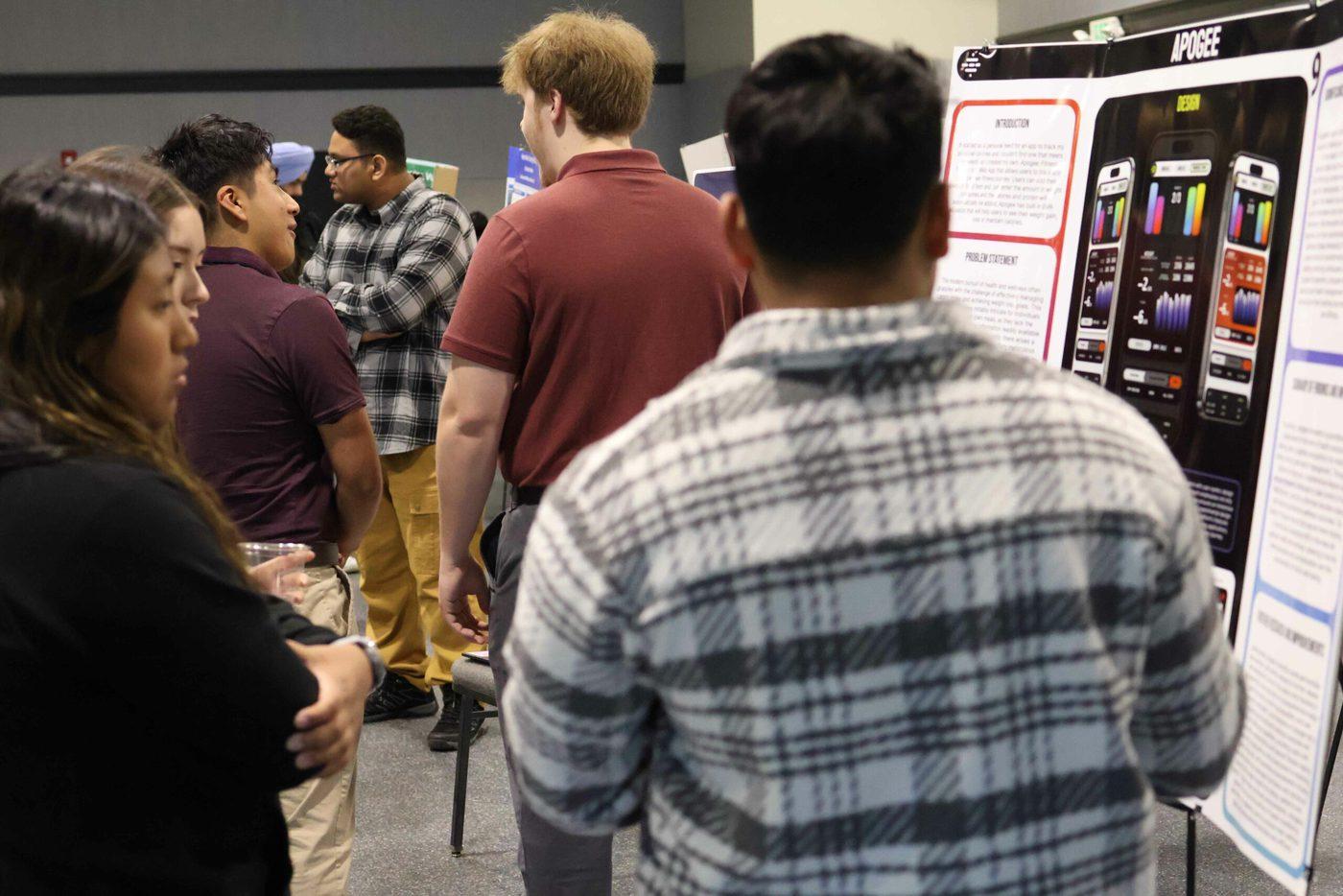
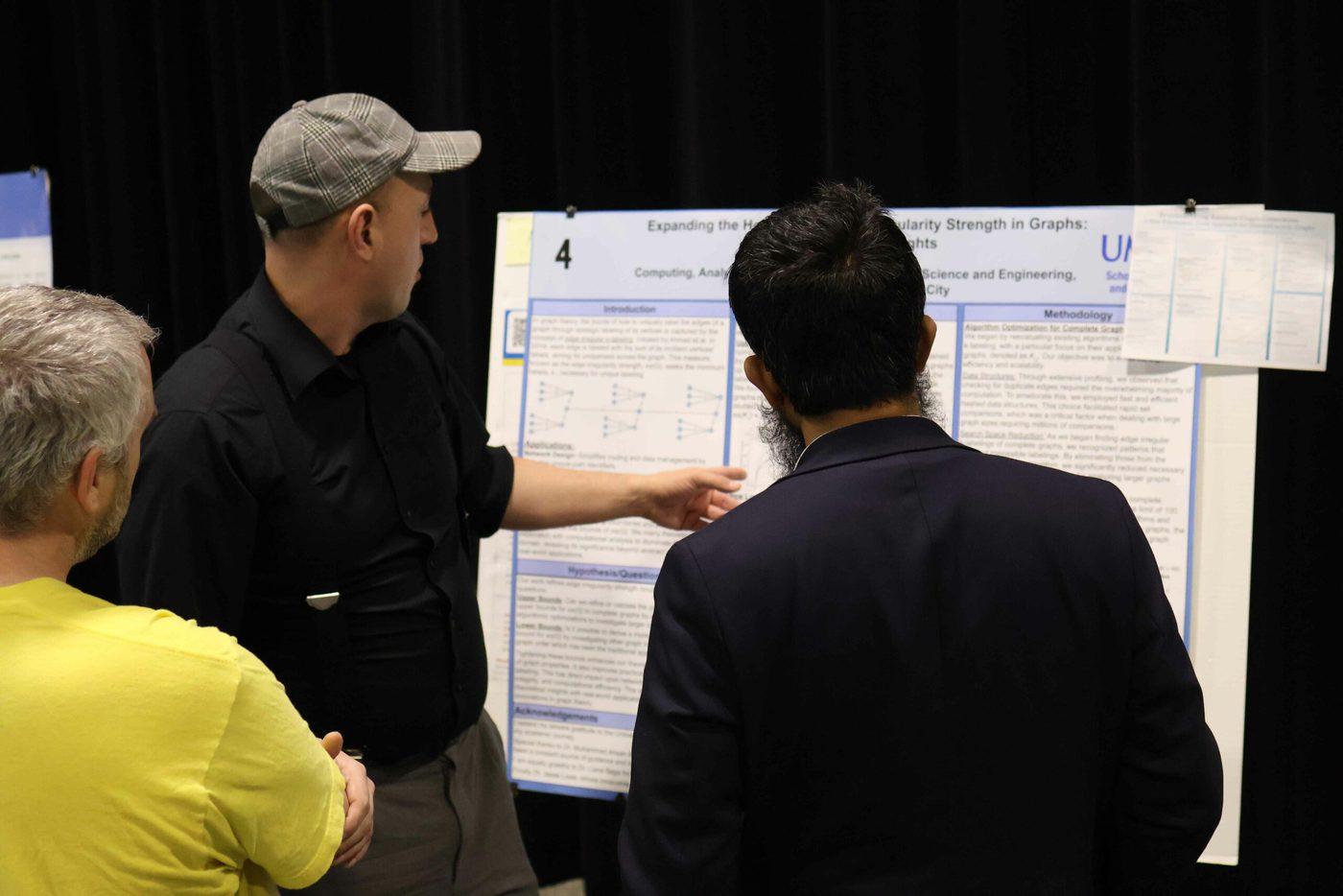
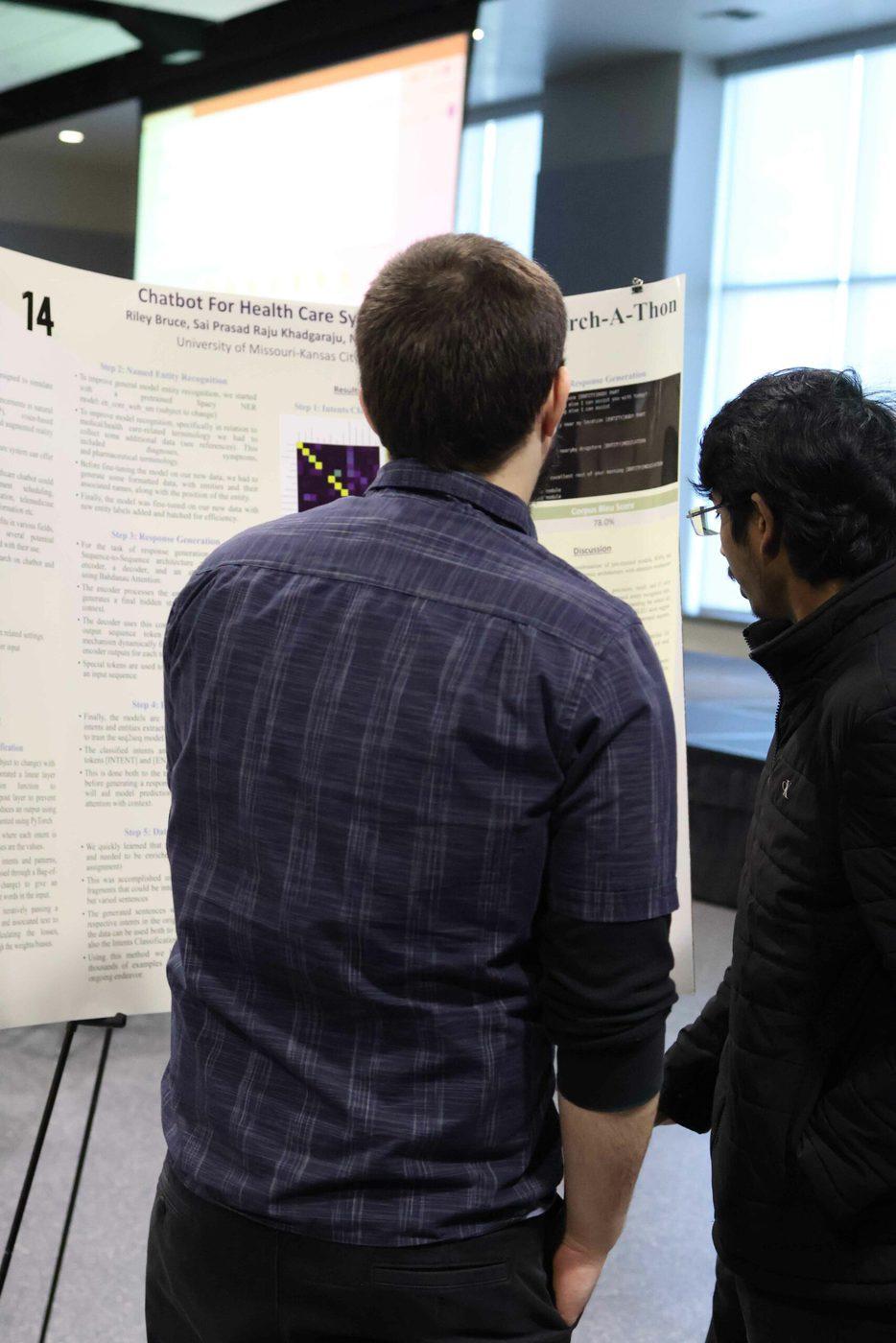
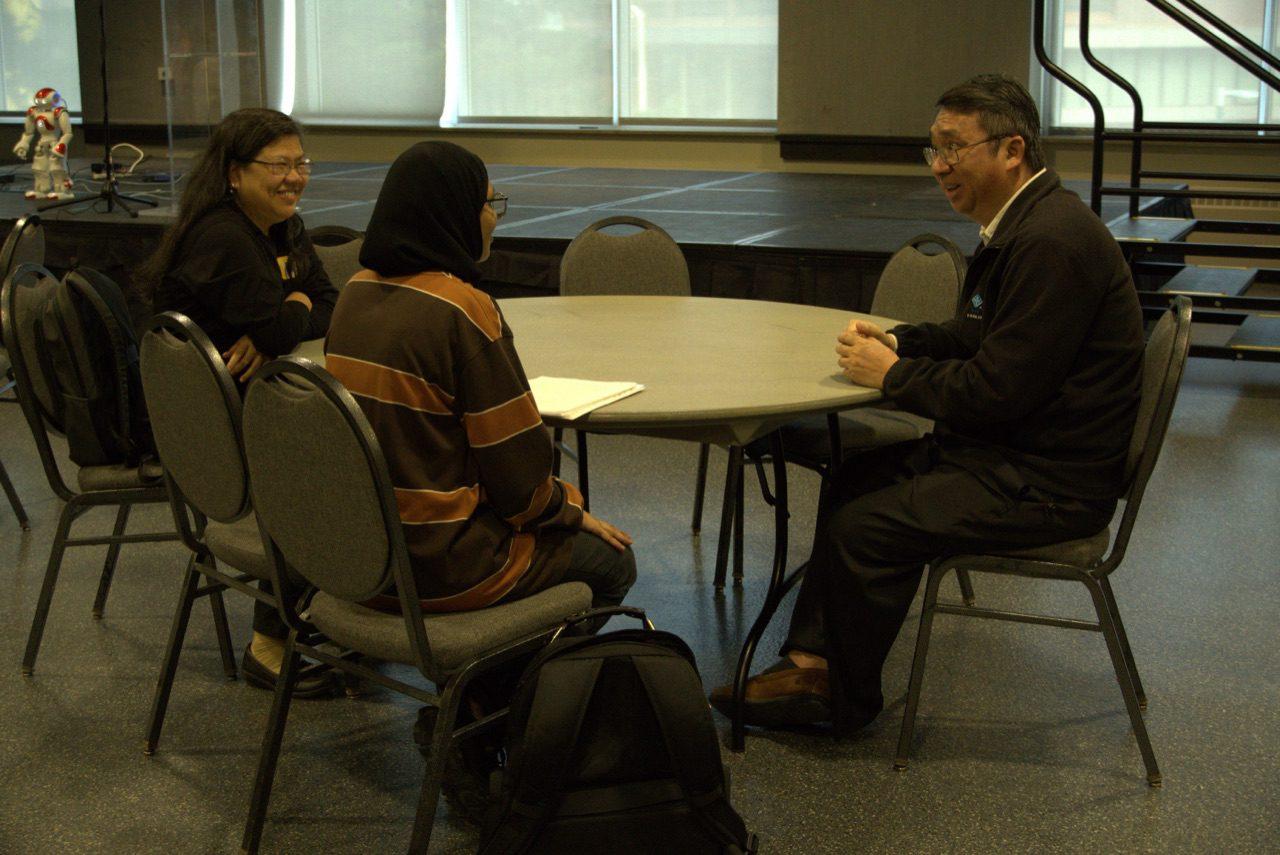
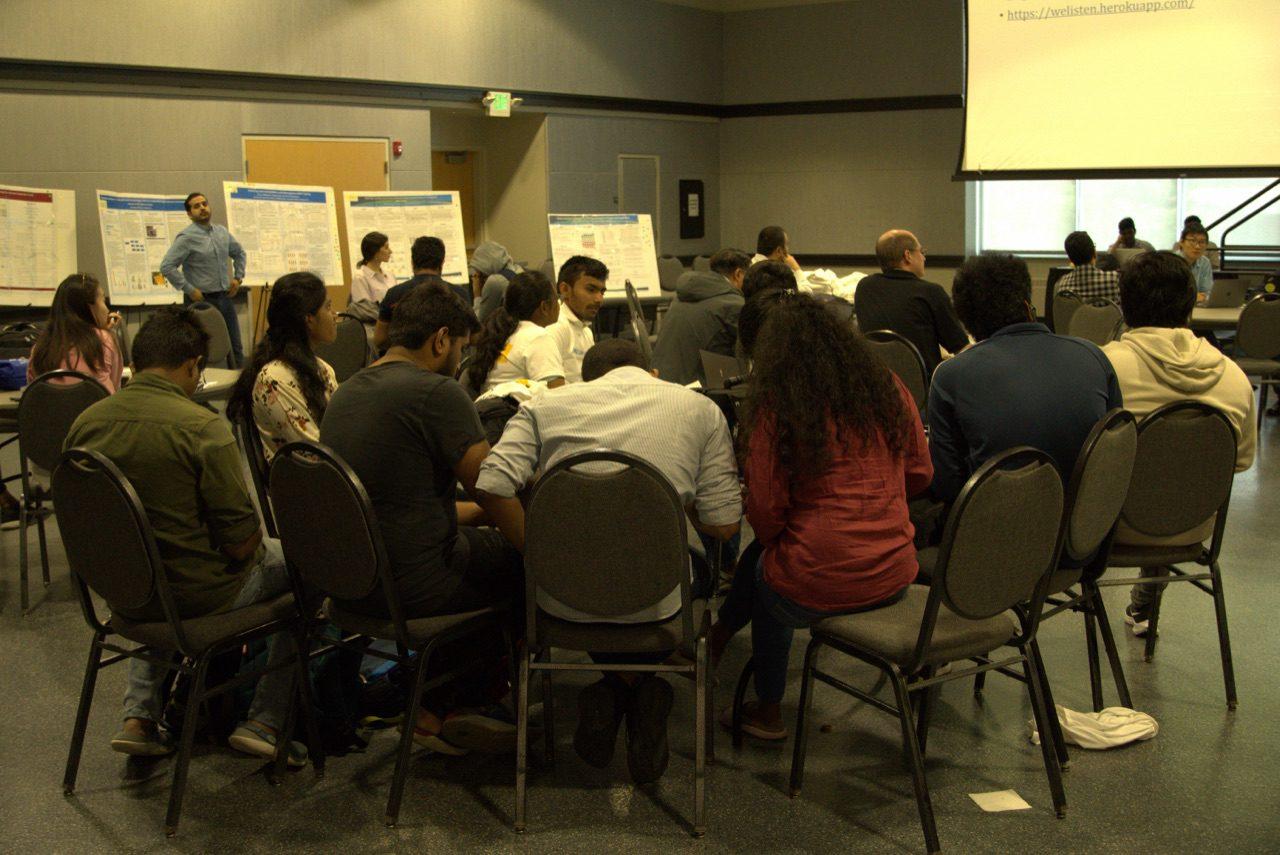
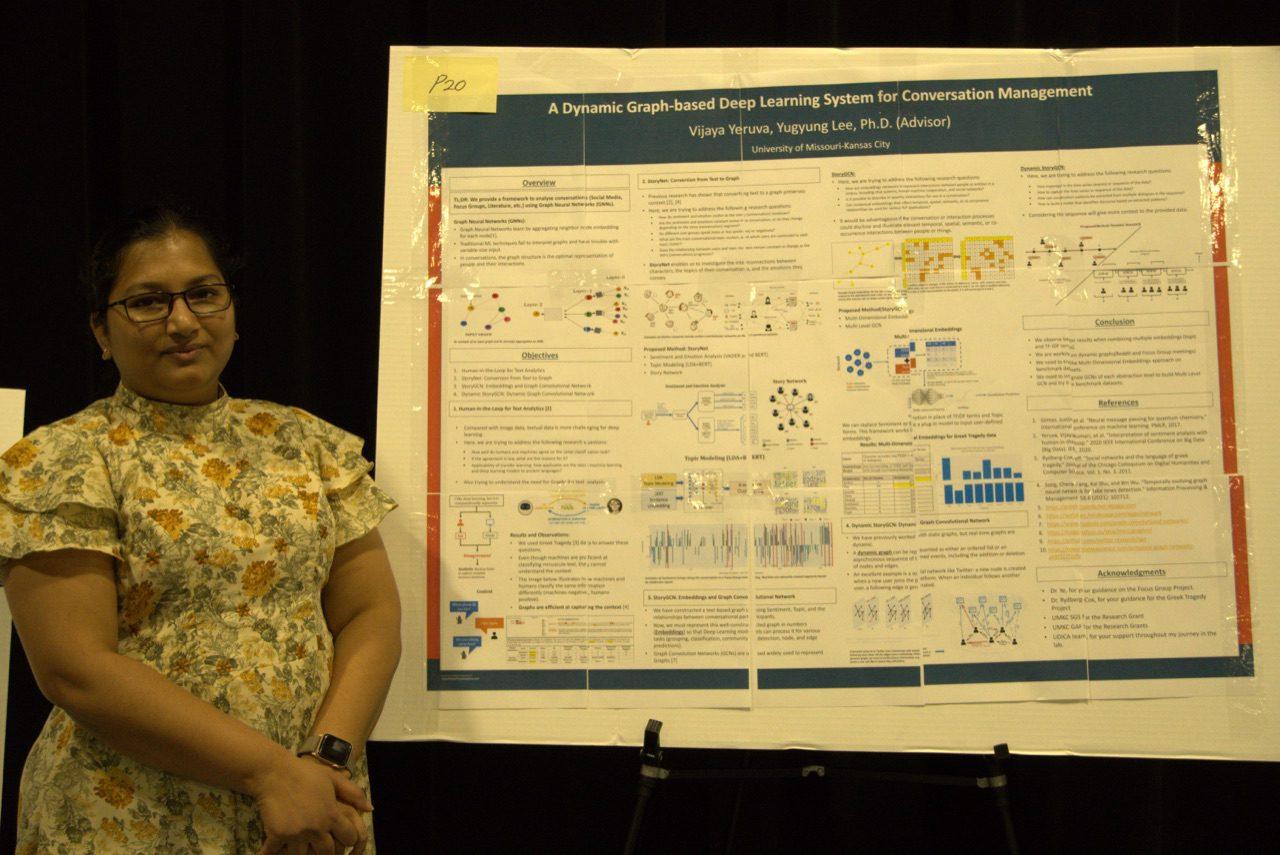
From coursework to Quantum AI.
Fifteen years of momentum, from the first programming challenges to today's NSF NRT research teams and AI/Engineering sponsored tracks. Every cycle has pushed students a step further, carrying the program from a single computer-science competition into a school-wide innovation and research showcase that keeps pace with where the field is headed.
What a recent event looks like, and the breadth behind it
The team breakdown of the Spring 2026 Research-A-Thon, and the technical range the platform now spans across the School of Science and Engineering.
The core competition, where teams build and present applied AI and data-science projects head to head.
The program's largest sponsored track, run with the NSF NRT program.
Dedicated research teams presenting graduate-level NSF NRT work.
The newest sponsored track, extending the platform toward engineering.
Built for a broader School of Science and Engineering platform
AI & Data Science
Applied research, experimentation, and analytical problem solving across disciplines.
LLMs / GenAI
Language models, retrieval, and generative systems built for real use cases.
AI Agents
Autonomous, tool-using agents that plan, act, and coordinate on complex tasks.
Cybersecurity
Security-minded engineering, cyber defense, and resilient technical systems.
Quantum AI
Quantum computing and AI research advanced with QSAIC and faculty collaborators.
ECE / Edge AI
Embedded and edge intelligence, sensing, signal processing, and intelligent hardware.
Robotics & Autonomy
Prototype development, sensing, control, navigation, and autonomous systems.
NRT Sponsored Research
NSF NRT sponsored research feeding publications and prototypes.
Program evolution
A durable campus initiative with growing scope
2010–2016
Semester-based hackathons take root
Spring and Fall Hackathons centered on programming, software development, cloud, IoT, NLP, and industry-defined challenges.
2017–2018
A recurring 150+ participant program
Two events per year with 150+ participants each; Fall 2017 alone drew 39 registered teams and 34 submissions across ML, NLP, and data science.
2019–2020
Industry use cases and virtual delivery
Fall use-case partners included H&R Block, IBM, and Crannium Labs. In 2020, the program went virtual with 100+ students, 30+ teams, and 8 use cases.
2021–2022
Scale and breadth expand
Two Hack-A-Roo events per year with roughly 100–250+ participants and up to about 70 registered teams across CS/IT, AI, AR/VR, and outreach.
2023
Research-A-Thon identity is established
The Spring event gains a distinct Research-A-Thon identity, complementing the Fall application-focused Hack-A-Roo, with roughly 200+ participants.
2025–2026
NSF NRT and a school-wide platform
NSF NRT participation becomes a dedicated component, and Spring 2026 adds NRT research teams, an AI sponsored track, and an Engineering sponsored track.
This is more than a competition.
Hack-A-Roo and Research-A-Thon create a visible path from coursework to experimentation, public communication, collaboration, and professional feedback.
Experiential learning
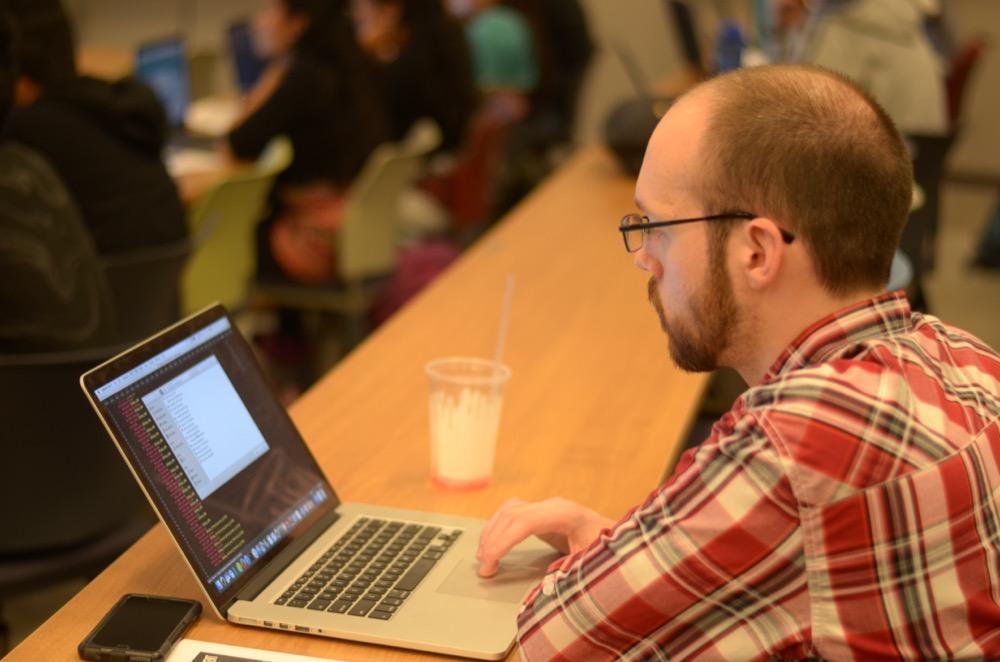
Students produce working applications, research prototypes, posters, papers, live demonstrations, reproducible software, and public presentations.
Course integration
Data Science Capstone and Big Data/AI courses now use Research-A-Thon and Hack-A-Roo as formal challenge and showcase venues.
Research development
Recent projects span knowledge-graph medical AI, robot navigation, explainable AI, cyber defense, multimodal applications, and Quantum AI.
Industry engagement
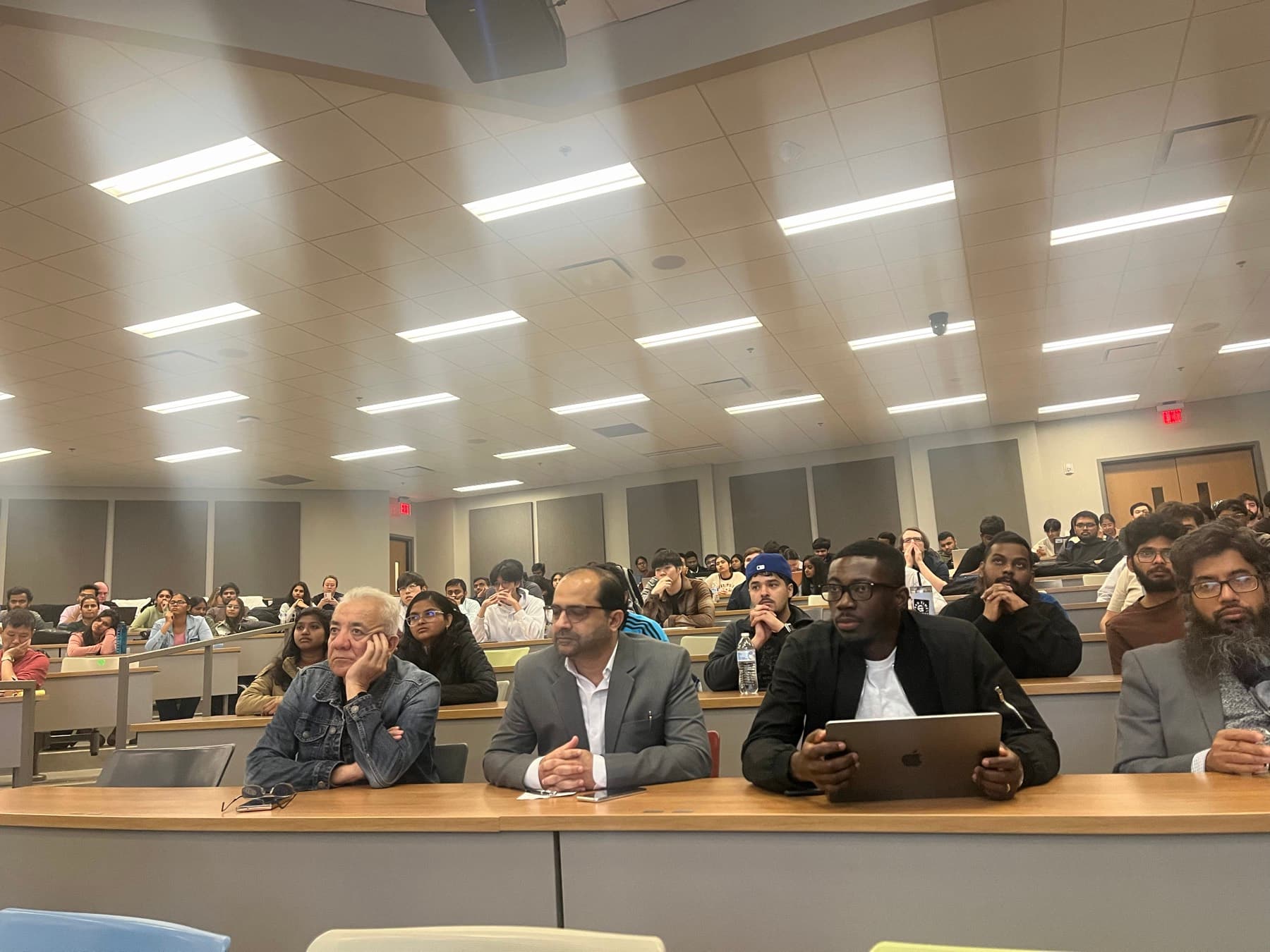
External judges and speakers provide feedback, networking, recruiting exposure, and connections between academic work and professional practice.
A proven platform, ready to become a signature School of Science and Engineering initiative.
The strongest opportunity is not to start from scratch. It is to amplify a program that already demonstrates continuity, student momentum, faculty relevance, and broad technical potential.